
3.2 KiB
3.2 KiB
Table of Contents
- Purpose
- Overall Structure
- Dimensions
- Shelving Layout (Bottom → Top)
- Airflow & Cooling
- Cable Management
- Power & Connectivity
- Mobility
- Notes / Future Improvements
Purpose
- Modular, movable server rack for home lab / on-prem infrastructure
- Designed for airflow, easy cable routing, and future expansion
- Self-built to reduce costs and allow for customized dimensions
Overall Structure
- Construction
- Built from plywood and 2×4 framing
- Open front and back (no permanent doors yet)
- Future plan: plexiglass front doors with standard hinges
- Bottom front and rear covered to prevent animals for accessing the power connections on bottom shelves
- Orientation
- Vertical rack
- Total height: ~7 feet
Dimensions
- Exterior dimensions
- Width: 27 inches
- Depth: 32 inches
- Sides
- Solid plywood panels ¾ inch
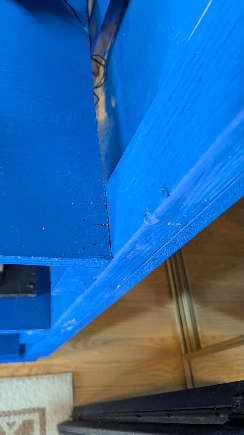
- ~2-inch air gap between shelves and side walls for airflow and cable routing
Shelving Layout (Bottom → Top)
- Total shelves: 5
- Bottom Shelf – Battery Compartment
- Houses backup batteries
- Shelf cutouts:
- Two openings, approx. 6 × 10 inches each
- Purpose: allow cool air intake from bottom
- Second Shelf – UPS Electronics
- Battery chargers
- Inverters
- Bus bars
- Fuses and electrical distribution components
- Third Shelf – Servers
- Fourth Shelf – Servers
- Top Shelf – Network Equipment
- Modems
- Routers
- Network hub / switch
Airflow & Cooling
- Passive + Active airflow design
- Bottom-up airflow path:
- Air enters from bottom shelf cutouts
- Moves vertically through rack
- Travels upward along side gaps
- Active exhaust
- Two 4-inch duct fans mounted at the top
- Fans pull air from bottom → top and exhaust heat upward
Cable Management
- Vertical cable channel
- ~2-inch gap between shelves and side wall
- Used for:
- Power cables
- Ethernet (Cat5/Cat6)
- Future wiring runs
- Entry point
- Power cords and Ethernet enter from the top
- Routed down internally to devices
Power & Connectivity
- Power
- Standard power cords run from top of rack
- Connected to wall outlets / power strips as needed
- Networking
- Cat5/Cat6 Ethernet cables routed from top
- Network equipment consolidated on top shelf
Mobility
- Wheels
- Mounted on bottom
- Heavy-duty / pneumatic-style wheels
- Allows rack to be repositioned easily for maintenance or reconfiguration
Notes / Future Improvements
- Add plexiglass front doors for dust control while preserving visibility
- Potential rear door or removable panel if needed
- Optional fan control automation (thermostat or smart relay)