added
This commit is contained in:
 eddiesoehnel committed
commit
6a34982699
245 files changed
+9080
No files matched your search
+22
@@ -0,0 +1,22 @@
|
||||
# A 50% average email open rate and some other email marketing benchmarks – here’s some things that work for me
|
||||
|
||||
Source: <https://eddiesoehnel.com/50-average-email-open-heres-things-work/>
|
||||
|
||||
Tags: clickthrough, Email, Email Marketing, email marketing benchmarks
|
||||
|
||||

|
||||
|
||||
Here are some quick email marketing benchmarks for my dog category business:
|
||||
|
||||
- The email open rate averages 50%;
|
||||
- The clickthrough rate averages 10%;
|
||||
- In the last 12 months, about 1/6 of my list has not opened any of my emails.
|
||||
|
||||
Overall, I am pretty pleased with my list performance, it’s open rate and engagements.
|
||||
|
||||
Some things that help:
|
||||
|
||||
1. Don’t send emails very often – one to two times a month for us;
|
||||
2. Make them especially entertaining – use fun content with lots of images and video;
|
||||
3. Always send a copy of the email a few days after the first email to those that did not open it – that usually gets me another 5-10% open rates;
|
||||
4. Try to use headlines that increase response.
|
||||
+17
@@ -0,0 +1,17 @@
|
||||
# A few notes on how I build my list of emails for marketing with high quality prospects
|
||||
|
||||
Source: <https://eddiesoehnel.com/list-of-emails-for-marketing/>
|
||||
|
||||
Tags: auotresponders, build my list of emails, email list, Email Marketing, sales funnel, trip wire
|
||||
|
||||

|
||||
|
||||
It’s common practice to throw up a free download as a way to build an email list ail list bait to lure subscribers to your list.
|
||||
|
||||
I typically do not build my list of emails for marketing that way because I want to maintain a high quality list with people that are potentially serious about becoming customers. As a result, I do not use free downloads as bait. In fact, I do not promote my list at all in the overt, in your face ways like popups. Instead, I subtly offer the availability of my list in a discrete ad in my posts, with the subscription form at the footer of the page.
|
||||
|
||||
Once I get a prospect on my list, I have a series of autoresponders with mostly helpful content that ties back to what I sell. In those emails, I offer free access to content or additional downloads, but I don’t just serve it up. Instead, I am funneling clicks to an actual product that is for sale on my website, but which I have discounted to $0.
|
||||
|
||||
The customer can get that product for free, but they must go through my checkout process. In this way, I am getting a physical address for snail mail campaigns, and have the option to use their address to obtain demographic data that I get from third party providers. I am also forcing them into my sales funnel, so I can attempt to upsell them on a paid product or two. I might start with a really cheap product like a trip wire.
|
||||
|
||||
Does all this reduce my list signup and people taking my free content? Of course, but with these strategies, I know I get more high quality leads.
|
||||
+10
@@ -0,0 +1,10 @@
|
||||
# Design your website layout based on the expected traffic sources (diagram)
|
||||
|
||||
Source: <https://eddiesoehnel.com/design-website-layout-based-expected-traffic-sources/>
|
||||
|
||||
Tags: website
|
||||
|
||||

|
||||
|
||||
|
||||
[Embedded resource](https://www.lucidchart.com/documents/embeddedchart/dff395f1-6f21-4afc-9221-e3ac61b8a55d)
|
||||
+41
@@ -0,0 +1,41 @@
|
||||
# Do I spend the $50,000 on this TV commercial or not? Analyzing a TV commercial opportunity with simple metrics
|
||||
|
||||
Source: <https://eddiesoehnel.com/analyzing-a-tv-commercial/>
|
||||
|
||||
Tags: AOV, Average order value, Branding, CLTV, Customer Lifetime Value, Direct Response, ROI, TV
|
||||
|
||||

|
||||
|
||||
This is a question from a business acquaintance:
|
||||
|
||||
*I’ve been approached by a network and their TV show about featuring our line in a commercial as part of an episode.*
|
||||
|
||||
*The rub is that they want a $50k “scheduling fee” from us in order to do the segment.*
|
||||
|
||||
*This would be a big bet for us, about 6-9 months of marketing budget and I’m trying to figure out if it’s worth entertaining.*
|
||||
|
||||
*The show will air twice nationally in the same time slot and our segment would be 5-6 minutes long featuring our products and telling a story about why people should care about the ingredients in their products (and highlighting our brand as a gold standard).*
|
||||
|
||||
*They also provided me with the attached deck which breaks down their viewership.*
|
||||
|
||||
*Overall, I’m trying to figure out if it’s worth it (or even potentially worth it) and you’re the only person I’ve met that’s done anything like this.*
|
||||
|
||||
This is my answer on analyzing a TV commercial:
|
||||
|
||||
My take is that as a small company, this kind of spend must yield measurable results in sales dollars. Branding value is hard to measure, especially when you are a small company. If you were in 30K+ retail outlets and doing 30mm a year in sales, then certainly, opportunities like this might represent great branding value. So, that said, I put on my direct marketing lens to see what kind of metrics I need to at least breakeven on my $50K spend.
|
||||
|
||||
This model should give you more guidance on how I would look at it (see file: MEDIA SPOT ROI). To quickly explain, back into the 50K spend through the various response metrics that might be reasonable for your product category and your target customer. You can play with the input values yourself. In the end, this model tells you how many people need to be watching to get the response (i.e. orders).
|
||||
|
||||
I did not spend much time on the attachment you sent, but zeroed in on the viewership, which is $300K. With the metrics I am using in the attached model, you will get nowhere near that to get your money back.
|
||||
|
||||
But again, I don’t know your AOV (average order value) or CLTV customer lifetime value) or conversion metrics.
|
||||
|
||||
AOV is one order…not including follow-on orders… and CLTV is the value of your customer over time. In direct response analog media, I almost always use AOV and try to maximize that, rather than try to entice a new customer with an entry-level offer and hope to make more from them over time.
|
||||
|
||||
I’ve done analysis both ways with TV buyers and maximizing the AOV from a first time customer offers much better ROI.
|
||||
|
||||
For digital direct respons marketing, capturing an email address for long-term CLTV may make more sense, so in that case, maximizing AOV is not as important.
|
||||
|
||||
Based on this quick analysis, I think you should pass on this opportunity.
|
||||
|
||||
[Click here to download the worksheet for this post](https://eddiesoehnel.com/MediaSpotROI).
|
||||
+72
@@ -0,0 +1,72 @@
|
||||
# Format for consumer product feedback surveys and how it can correct for problems with getting accurate and reliable data
|
||||
|
||||
Source: <https://eddiesoehnel.com/format-for-consumer-product-feedback-surveys/>
|
||||
|
||||
Tags: customer interviews, customer research, market research, primary research
|
||||
|
||||

|
||||
|
||||
Here is a format for consumer product feedback surveys that I use. I take consumer product feedback surveys with a big grain of salt, for [reasons listed here](https://eddiesoehnel.com/ditch-customer-surveys-instead/).
|
||||
|
||||
But they have been useful for me when I follow the format below.
|
||||
|
||||
## Interview Format
|
||||
|
||||
Could be a voice call, in-person/video or over email.
|
||||
|
||||
## Interview Process
|
||||
|
||||
### Describe the product’s outcome
|
||||
|
||||
Do not go in depth on what the product is, why its better, etc. A short sentence on the outcome for using the product. For example, we all know what a diaper is, so, your description is a diaper for infants. If we did not know what a diaper was, then we would briefly describe what it does, which in this case, a product to capture potty accident by infants worn along or underneath clothing.
|
||||
|
||||
### Ask what the consumer does now to solve this problem or to get the outcome you described
|
||||
|
||||
In our example, what do you use to capture potty accidents now. Which products and brands do you purchase, or if you do not buy a product, what are you doing now to solve this problem? Does the product use changed based on circumstance? For example, maybe the consumer uses one type of brand of diaper during the day and a different one at night. Ask why.
|
||||
|
||||
### What channels do you respond to for advertisements
|
||||
|
||||
This is a generic question, but could get more specific. Do they click on ads in social feeds, when doing keyword searches, banner ads, followup with a radio or TV ad, store shelf, word of mouth? Those are general categories to ask, but get as specific as you can. Ask the customer if they have ever responded to ad ad or word of mouth for the current products they use, if they use them. Why did they respond? What caused them specifically to respond (what did the ad say, or what are the product features and benefits)?
|
||||
|
||||
### Describe the outcome and benefits of your product in terms of measureable and noticeable statements.
|
||||
|
||||
For example, my product has the following benefits over existing choices:
|
||||
|
||||
- Potty train in ½ the time;
|
||||
- Cut your sleepless nights in half due from having to get up to change diapers;
|
||||
- Save $800 in potty training;
|
||||
- Save 1/4 dumpster full of diapers.
|
||||
|
||||
These statements are short, hard hitting, and the customer gets them fast.
|
||||
|
||||
They also focus on very key benefits that most everyone is mindful of, including time, cost and frustration/convenience.
|
||||
|
||||
Many people have environmental concerns top of mind but I have found when it comes to parting with their money, they are much less likely to be concerned about this if it means paying more over a competitor’s products.
|
||||
|
||||
You always want to try and link your product to the things consumers tend to be most mindful of for this category. In our example, it is the above four ones mentioned, but for the most part, time, cost, frustration/convenience are pretty much top of mind for consumers no matter what they buy.
|
||||
|
||||
Next, ask the customer to rank the statements above in terms of importance to them in purchasing this product.
|
||||
|
||||
And, that concludes the interview.
|
||||
|
||||
## Interview Process Summary
|
||||
|
||||
The above is designed to keep everything simple, fast, easy to understand.
|
||||
|
||||
Do not go into detail, or exaggerate. Keep to the facts.
|
||||
|
||||
If you start going into too much detail, then your enthusiasm for your product will likely infect the customer and they will exaggerate as well, or they will not want to disappoint you by bursting your bubble, so they will tell you what you want to hear, not what you should hear.
|
||||
|
||||
Notice the format, and what is duplicates. It is plain old marketing.
|
||||
|
||||
The customer sees an ad about the product and its benefits, in a certain ad channel, where they click or respond, which takes them to a product landing page (or if in-store, they pick up the packaging to look at it), which gives them more details and the product benefits, and if they see the benefits they want, they purchase.
|
||||
|
||||
We are duplicating that process in this interview format to help us gather information about how best to market this product.
|
||||
|
||||
Notice we learn what channels the consumer uses now and where they might respond, some potential data on competitors and why the customer buys those products, and what is important to the customer in order for them to purchase this product.
|
||||
|
||||
You can use this process for any qualifying customers, which are ones that might be likely or have a need for your product. In our example, it would be new parents or parents with kids in diapers.
|
||||
|
||||
It is best to find people you do not know, but if all you have to go on is people you know, it might be better than nothing, but be careful because they might be more reserved in what they say to not hurt your feelings and protect their relationship with you.
|
||||
|
||||
I always leave pricing out of this process because pricing is a function of other things that the customer does not have much knowledge of, like competitor pricing and how your product benefits stack up against competitors. After you do all your primary research (like interviews above) and secondary research (like competitive analysis), then you can sit down to figure out pricing.
|
||||
+19
@@ -0,0 +1,19 @@
|
||||
# How Facebook’s Reactions Is a Huge Step Forward in Marketing
|
||||
|
||||
Source: <https://eddiesoehnel.com/facebooks-reactions-huge-step-forward-marketing/>
|
||||
|
||||
Tags: emotions, Facebook, neuromarketing
|
||||
|
||||

|
||||
|
||||
Here’s why I think Facebook’s Reactions is so impactful.
|
||||
|
||||
Marketing is ultimately about the marketer having an emotional impact on the customer, or buyer. We humans purchase and make decisions based on emotions much more than on logic.
|
||||
|
||||
The ability for subscribers to now categorize a Facebook post by emotion let’s Facebook know more about what kind of content drives people emotionally. They can use that data to adjust their algorithms so that each of us is shown more content that we might respond to emotionally, thus keeping us on Facebook longer or causing us to visit more often.
|
||||
|
||||
But it has its limitation. We humans have many biases and are influenced constantly by our emotions. This rolls over into our decisions, so in many respects, we can’t completely trust what we label with a reaction because that can change based on other things going on in our lives and what we are feeling at the moment.
|
||||
|
||||
But this is a step towards neuromarketing, which has really jumped onto my radar in the last few months. It is now not only possible, but also looks scientifically sound to be able to analyze people’s facial reactions and let artificial intelligence truly measure how engaged a consumer is with what they are seeing. Rather than trusting what someone says, you can look deeper at how they truly feel about what they are seeing to get a much more accurate picture of their engagement.
|
||||
|
||||
But that jump – instead of us labeling content with our reactions – to letting Facebook analyze our facial reactions is certainly possible with today’s technology, but requires that Facebook see our facial reactions. That is pretty invasive, I agree, but I am sure Facebook and marketers will figure out how to do that.
|
||||
+86
@@ -0,0 +1,86 @@
|
||||
# How I use my customer data to help me retain my customers and maximize customer lifetime value
|
||||
|
||||
Source: <https://eddiesoehnel.com/how-i-use-my-customer-data-to-help-me-retain-my-customers-and-maximize-customer-lifetime-value/>
|
||||
|
||||
Tags: customer loyalty, customer retention, database marketing
|
||||
|
||||

|
||||
|
||||
In general, I have found that it is at least five times cheaper to retain a customer than acquire a new one. But often that multiple is higher.
|
||||
|
||||
I know this because I maintain detailed customer transaction records and track my marketing campaign activities, costs and conversions.
|
||||
|
||||
As a result, I work hard on my customer retention strategies.
|
||||
|
||||
The methods I can think of available to contact customers for retention marketing are as follows:
|
||||
|
||||
1. Transactional communication, such as sending purchase receipts or communicating about a purchase. I customize my receipts to include additional content to drive interest in my products and brand.
|
||||
2. List email by communicating through my customer email list to those that subscribe to my list.
|
||||
3. Social posts to my social channels.
|
||||
4. Social retargeting by creating custom audience files from my customer database and using them in social and pay per click advertisements.
|
||||
5. Direct mail communication through postal or other delivery services.
|
||||
6. Logistics/shipping by including items like flyers and coupons in direct-to-consumer product shipments.
|
||||
7. Product packaging by including call-to-action statements on the product labels to drive a response from a customer.
|
||||
8. Loyalty programs to reward customers for repeat business and referrals to new business.
|
||||
9. Physical contact through events or other meetings with customers.
|
||||
10. Personalization of my website for each customer when they return for site visits.
|
||||
|
||||
I have more discussion about the above methods [in this post](https://eddiesoehnel.com/retention-marketing-methods-for-consumer-product-companies/).
|
||||
|
||||
Taking the above methods in context, one way I work on customer retention is to reward repeat purchases with free products.
|
||||
|
||||
Here is what I do on a weekly basis to make this happen:
|
||||
|
||||
1. Monday is the day each week where I run prior weeks metrics. I track a wide variety of metrics that I consolidate into one spreadsheet dashboard. You can use any day of the week, but I like to use Mondays to analyze prior week’s results.
|
||||
2. One of those metric pulls originates from my customer database. I have a large report which I call the Core Marketing Report, a fairly sizeable data dump that I can filter and sort in an infinite number of ways to analyze customer data and create direct marketing campaigns.
|
||||
3. I filter the report based on purchases the prior week and omit everything else.
|
||||
4. That filtered data then gets exported in CSV format and opened in Google Sheets. You can use Excel, but I prefer to use Sheets because it is much easier to share files with others and access on any device.
|
||||
5. I further cut this report down by eliminating a bunch of columns of data that I do not need for this activity. The columns of data remaining include the following:
|
||||
1. Customer name: I split first, middle and last in my database but in this report, I concatenate into one column;
|
||||
2. Address: their full contact information is concatenated into one column;
|
||||
3. First Contact Date: when they first became a customer;
|
||||
4. Total Spent Payments (Sum): total they have spent with me since their first purchase;
|
||||
5. Payments (prev. 12 Mos): here I am looking for recency vs total spent payments to see how active they have been in the last 12-months;
|
||||
6. Products Sold: this lists in one cell all the products they have purchased with me;
|
||||
7. Payment Dates: this list all their payment dates in one cell;
|
||||
8. Last Payment Date: this lists the date of last payment received on a purchase;
|
||||
9. Primary Email Address: their email address;
|
||||
10. Referral Source Name: how they were referred to me (this data can be hard to collect, but for my pet company, I have managed to get about 75% of our customers to tell me this so I know how my marketing is performing);
|
||||
11. Campaigns: what specific marketing campaigns I have used to target them. For example, if I do social retargeting, snail mail or specific segmented email campaigns, I create the targeted list first from a data pull in my database and also tie those campaigns to the customer;
|
||||
12. Prior Gifts: this is a list of products or other offerings I have previously offered to a customer to thank them for their business.
|
||||
|
||||
From the above data, I can easily see of the customers that purchased last week and the additional activity they have with my business.
|
||||
|
||||
Accounting for what prior loyalty gifts I have given (point 13 in the list above), I then tailor specific additional giveaways.
|
||||
|
||||
Depending on the size of the list and what I am giving away, sometimes those additional giveaways come in the form of emails that I create and send in bulk, or if the list is smaller or the giveaways more customized, I use semi-customize emails to each customer.
|
||||
|
||||
I prefer semi-customized emails because it is much more personalized, but sometimes the list size gets too big and becomes too time-consuming so I have to resort to using my bulk email distribution software.
|
||||
|
||||
Now, if a customer I am sending a free giveaway has opted out of my email list, then it kinda become a bit of a gray area if I can email them again.
|
||||
|
||||
Technically I probably cannot because my loyalty emails are not about their transaction (see Transactional emails above).
|
||||
|
||||
But I have not yet run into a problem where a customers gets irked with me for emailing them when they have opted out. They are already a repeat buyer so they probably want to hear from me and I am sending something free.
|
||||
|
||||
I could also just use snail mail to communicate with them but that raises costs. Since it has never been a problem for me, I will continue to use email.
|
||||
|
||||
So, what are my giveaways? Mostly free digital premium content that I already have for sale or which I specifically create for customer loyalty. I am a big fan of content marketing and create a lot of content, which can be mixed and matched in different ways to create unique offerings for customers. Using content and digital products keeps my hard costs low.
|
||||
|
||||
But not always. For really good customers I will surprise them with free product. For my pet company in particular, since I mostly sell locally and have events for customers, I often giveaway free product when I see them in person. This cuts down on my shipping and processing costs to send them something for free.
|
||||
|
||||
I also note what I offered to each customer in my database so that in the future, I do not offer the same thing, which would show in the Prior Gifts column in the above report. Or I might still offer the same thing if it is a physical product. But if it is a digital product, then I will not offer it again.
|
||||
|
||||
Once I am done with this activity, I save the above report so I have a record of what I did in a particular week. I also share this report with others in my business for other tasks that need to happen as a result of this data and using Google Sheets is the easiest way to do that.
|
||||
|
||||
Providing personalized giveaways weekly has been very successful for me. Customers love it and appreciate that I take the time to think of them and send them value-added offerings. This has resulted in more purchases and customer referrals.
|
||||
|
||||
What I am doing is using technology and a little effort to offer one-to-one personalization, but doing it with some scale, versus one-to-many that is the norm. And quite frankly, most of us have become smart and numb to these supposed personalized offers coming from companies because we know that is not the case.
|
||||
|
||||
So what is required to do the above?
|
||||
|
||||
You need to sell direct-to-consumer, of course, and you need a database to capture all customer data, transactional data, and any other data you have that you want to add to your customer database. The free Google sheets app is used for the exported CSV files.
|
||||
|
||||
If you are a small consumer product company you may think it is not feasible to have a customer database due to technology costs and complexities, but that is no longer the case. Technology has and continues to advance such that even the smallest company can make use of fairly sophisticated enterprise-level database marketing technology for extremely low cost.
|
||||
|
||||
And with this technology you can do things like I have outlined here to help with customer loyalty to retain customers and maximize customer lifetime value.
|
||||
@@ -0,0 +1,19 @@
|
||||
# How can I thrive in online marketing in textile / fabric?
|
||||
|
||||
Source: <https://eddiesoehnel.com/how-can-i-thrive-in-online-marketing-in-textile-fabric/>
|
||||
|
||||
Tags: Alexa, competitors, digital marketing, Follower.net, Similarweb
|
||||
|
||||

|
||||
|
||||
This is a [Quora](https://www.quora.com/unanswered/I-started-to-work-as-an-Online-Marketing-manager-in-a-Fabric-company-How-can-I-thrieve-in-online-marketing-in-textile-fabric?__snids__=1574518349) question I was asked. Here is my answer.
|
||||
|
||||
Since I do not know who your customer is, I will give you a more general answer that may help you regardless if you sell products to other manufacturers, wholesale for retail sale, direct-to-consumer, or all of the above.
|
||||
|
||||
I would search for my direct and substitute competitors and audit their online marketing. You want to focus on the ones that are doing well in their online marketing efforts. SimilarWeb and Alexa will give you traffic counts and SimilarWeb and Follower.net are good for ad research. Competitors with higher traffic counts are probably doing more sales. You will also understand through this research what other sites are driving traffic to your competitors, and what kind of paid advertising they are doing, if any.
|
||||
|
||||
Next, analyze your competitors eCommerce pages, the marketing copy on these pages, pricing, promotions and any other relevant activities they are doing to promote sales on their site.
|
||||
|
||||
With the information collected above, you want to model what these successful competitors are doing. If they are doing paid advertising, you can find their ads and you might want to model them. If they are advertising on specific websites, you might want to do that. If they have good marketing copy, promotions or any other details on their eCommerce site that appears to be working for them, you want to model that and apply to your business.
|
||||
|
||||
The goal is not necessarily to try and reinvent the wheel, but figure out what is already working in the marketplace and model it to apply in your own marketing efforts. In this process, you will also learn a lot about online marketing and build your education from there.
|
||||
+49
@@ -0,0 +1,49 @@
|
||||
# How do you find customers who will pay the highest price for your products?
|
||||
|
||||
Source: <https://eddiesoehnel.com/how-do-you-find-customers-who-will-pay-the-highest-price-for-your-products/>
|
||||
|
||||
Tags: club, Drug, DTC, Grocery, look-a-like, mass, retail minimum allowable pricinv, retargeting, specialty
|
||||
|
||||

|
||||
|
||||
This is a [Quora](https://www.quora.com/How-do-you-find-customers-who-will-pay-the-highest-price-for-your-products/answer/Ed-Soehnel) question I was asked to answer.
|
||||
|
||||
Here’s how I would go about finding customers who will pay the highest price for my products.
|
||||
|
||||
### Direct-to-consumer (DTC)
|
||||
|
||||
The first thing I would do is create high quality products that customers will rave about.
|
||||
|
||||
I would create a highly polished brand that looks good and presents well via my website, with ample social and brand reputation marks through third party certifications and verification and consumer testimonials.
|
||||
|
||||
I would also have excellent customer service.
|
||||
|
||||
When I build in these main elements into my products and company, I am giving consumers more confidence and comfort in doing business with me, which can allow me to charge a premium in pricing.
|
||||
|
||||
Apple is probably the best brand that exemplifies this, which allows them to charge prices that gives them incredible profit margins.
|
||||
|
||||
### Offline Reseller
|
||||
|
||||
When selling through offline resellers, I want to pick them carefully because there is a hierarchy of reseller channels and the types of customers they attract. In the U.S., they are as follows:
|
||||
|
||||
- The dollar and discount/mass channels (Dollar General and Wal Mart, respectively), are not going to be the best channels to attract customers who can and usually willing to pay extra. They are the channels with the most price sensitive consumers.
|
||||
- Next up are mainline mass channels like grocery, Costco and Target. Although Costco could be considered a retailer that attracts high end buyers.
|
||||
- Next is drug stores
|
||||
- Finally, I have my specialty channels with high end retailers/resellers. In food, for example, that would be Whole Foods Market.
|
||||
|
||||
So, I would not want to sell my product in the lower end channels and focus on the high end channels, otherwise I would cannibalize my sales in favor of the low-end channels.
|
||||
|
||||
### Online Resellers
|
||||
|
||||
Just like selling offline, there is a hierarchy in online resellers and I would only pick those that attract high end customers.
|
||||
|
||||
### Marketing
|
||||
|
||||
For marketing, I would focus on the following to attract high end customers:
|
||||
|
||||
- Retargeting look-a-like audiences that match to my high end customers only.
|
||||
- Display or native advertising through other website that attract my high end customers.
|
||||
|
||||
The big takeaway from all the recommendations above is to make sure that I am not selling my product everywhere at different prices, because consumers, whether they are high end who can better afford my products or not, will always default to buying from where ever the price is cheapest.
|
||||
|
||||
The places where I might resell my product I want to enforce my pricing through what is called MAP (minimum allowable pricing) agreements.
|
||||
+21
@@ -0,0 +1,21 @@
|
||||
# How much of a role does the packaging of a product play in its sales?
|
||||
|
||||
Source: <https://eddiesoehnel.com/how-much-of-a-role-does-the-packaging-of-a-product-play-in-its-sales/>
|
||||
|
||||
Tags: packaging
|
||||
|
||||

|
||||
|
||||
This is a [Quora](https://www.quora.com/How-much-of-a-role-does-the-packaging-of-a-product-play-in-its-sales/answer/Ed-Soehnel) question I was asked to answer. My answer is as follows.
|
||||
|
||||
From a functional perspective, yes. But that I think everyone knows that. If you are talking about protecting the product such that when the user opens the packaging, it is what they expect, of course your packaging is important.
|
||||
|
||||
But if you are asking from a design perspective for marketing purposes, in general, packaging plays a huge role.
|
||||
|
||||
But the more important question is how good does it have to be. Designing packaging and the packaging itself can be expensive, so if you are just starting out, what should you do?
|
||||
|
||||
If you have an exceptional product that captures attention that people talk about and buy over and over again, then the product sells itself and you probably do not need to worry about the packaging as much.
|
||||
|
||||
But if your product is not “WOW!” like I listed above, and while still a good product, does not capture attention as well, then your packaging design probably has to be better to capture attention.
|
||||
|
||||
But even if you have “WOW!” product, and you can afford it, I would try to have great packaging that captures attention. But if you cannot afford it to start, then focus on making a great product that people will buy over and over again and tell others about.
|
||||
+51
@@ -0,0 +1,51 @@
|
||||
# How relevant is TV as an advertising medium for FMCG/CPG marketers (brand managers)?
|
||||
|
||||
Source: <https://eddiesoehnel.com/how-relevant-is-tv-as-an-advertising-medium-for-fmcg-cpg-marketers/>
|
||||
|
||||
Tags: analog marketing, Breakeven, digital advertising, digital marketing, funnel, pay-tv, print, radio, ROAS, TV
|
||||
|
||||

|
||||
|
||||
This is a [Quora question](https://www.quora.com/How-relevant-is-TV-as-an-advertising-medium-for-FMCG-CPG-marketers-brand-managers-in-2018/answer/Ed-Soehnel) I was asked to answer.
|
||||
|
||||
Absolutely yes, but I need to qualify my answer with more details to back that up.
|
||||
|
||||
First, my focus is building consumer product startups, not managing large brands. So, I really have no clue if brand advertising is relevant or not because I have almost no experience doing it.
|
||||
|
||||
Second, to effectively use TV as a startup, you need a “WOW” product that captures attention.
|
||||
|
||||
Third, you need to use direct response advertising, not traditional brand advertising.
|
||||
|
||||
Direct response simple puts a call to action in the ad to get a customer to respond immediately.
|
||||
|
||||
Whereas brand advertising relies more on impressions to stay top of mind with a consumer.
|
||||
|
||||
With direct response, you are in a position to capture metrics fairly quickly on whether your ad is working or not, whereas with brand advertising, it typically takes months of spend to see if you start to get sales lift.
|
||||
|
||||
So, brand advertising can work, but you better have the cash and the time to wait out your spend before you start to see sales lift.
|
||||
|
||||
That is traditionally a luxury available only to large brands, not startups or low 8 to 9 figure companies.
|
||||
|
||||
So, if you are a consumer product startup, with a WOW product that captures attention, is analog advertising relevant? (note: I define national and pay TV, along with radio and print as analog advertising, versus digital advertising which is online.)
|
||||
|
||||
Absolutely.
|
||||
|
||||
But the trick is to optimize campaigns so that you have as high of a return on ad spend as possible (ROAS – gross sales divided by advertising spend).
|
||||
|
||||
To do this, you never want to lead with analog advertising out the gate. You want to use digital first to find out what works in your messaging – keywords, headlines, taglines, copy, landing pages and your conversion funnel (website and call center, if you do that).
|
||||
|
||||
It is cheap and fast to test a multitude of messages using digital and as you gain success and find out what works, you build your ad spend online first.
|
||||
|
||||
When you start to show strong ROAS via digital, and you can successfully ramp your spend across digital and you still have strong ROAS, then you can think about adapting the same messaging for analog.
|
||||
|
||||
Analog is far more expensive to test versus digital. You can start with as low as a few dollars a day for digital, but to test with analog, you need into the 5-figures to effectively test, not including creative development. You are much better off using digital to test your creative than analog.
|
||||
|
||||
What are some benchmark ROAS? For digital, it should be a few whole numbers above your breakeven ROAS. So, if your ROAS breakeven is 3, then you probably want to see a ROAS in digital of at least 5 (but really, 7+ is better).
|
||||
|
||||
In general, direct response analog traditionally does not have as strong a ROAS as digital, so if you roll out with analog, you might never get above a 4, which is why you test on digital first to confirm if your messaging can deliver a ratio of 7 or more.
|
||||
|
||||
I find that when you adhere to the above – WOW product, direct response advertising, with an optimized campaign delivering a positive ROAS, then nothing beats TV.
|
||||
|
||||
In this case, you can be a super small brand with a low 7-figure budget, but you can spend a lot in marketing – punching way above your weight – and achieve incredibly fast growth.
|
||||
|
||||
But you have to work up to it to find out if it will be relevant for your company.
|
||||
@@ -0,0 +1,13 @@
|
||||
# How to build your website supplement sales funnel
|
||||
|
||||
Source: <https://eddiesoehnel.com/website-supplement-funnel/>
|
||||
|
||||
Tags: funnels
|
||||
|
||||
|
||||
|
||||
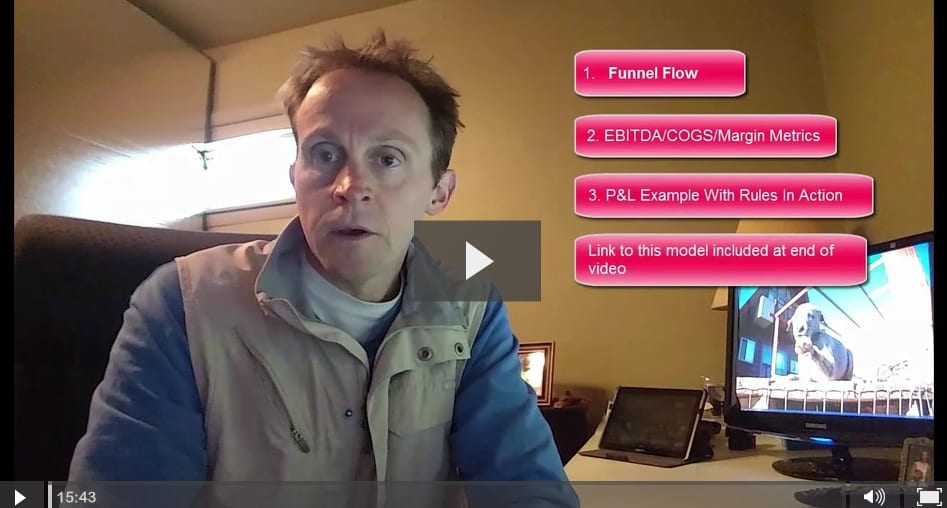
See this video to learn about the elements, flow, and metrics for a good website supplement sales funnel.
|
||||
|
||||
[YouTube video player 1](https://www.youtube.com/embed/AqW4_xp9RMA?wmode=transparent&autoplay=0)
|
||||
|
||||
[Click here to download the spreadsheet for this post](https://eddiesoehnel.com/WebsiteSupplementFunnelDowload).
|
||||
@@ -0,0 +1,23 @@
|
||||
# How to know you are pushing the edge with your marketing
|
||||
|
||||
Source: <https://eddiesoehnel.com/know-pushing-edge-marketing/>
|
||||
|
||||
Tags: Email Marketing, email marketing benchmarks
|
||||
|
||||

|
||||
|
||||
This landed in my inbox recently.
|
||||
|
||||
A disgruntled email subscriber was not happy…and you can tell because they have multiple misspellings in their response…a possible clear sign of frustration.
|
||||
|
||||
I don’t get these very often and wish I did. People will just unsubscribe and that is the end of it. But this is valuable feedback because it means you are pushing the envelope to some degree. And in marketing, you have to push the envelope and take risks.
|
||||
|
||||
I like to provide serious value to people in list emails through content, but you betcha I am going to push the marketing of my products along with it.
|
||||
|
||||
And most people are willing to put up with marketing if you give them good content along with it.
|
||||
|
||||
In general, I try to follow the 3-to-1 rule…three pieces of value for every one hard sell. I don’t know if that is a rule somewhere, but it is roughly my rule that I follow and seems to work for me.
|
||||
|
||||
I tend to have a 4-to-1 or even higher ratio for those subscribers who are valuable customers (I segment emails based on detailed customer data). I want to keep them and they keep buying from me, so no need to push marketing hard on them.
|
||||
|
||||
But for subscribers who never buy or have very low customer lifetime value, I tend to push the marketing more with a 2-to-1 ratio . Some people will just never buy, and ideally I may not even want those people on my list or in my marketing sphere (my email list, database, social follows, retargeting lists, etc) because they end up wasting time and resources.
|
||||
+93
@@ -0,0 +1,93 @@
|
||||
# How to supercharge growth in a CPG or consumer product start-up
|
||||
|
||||
Source: <https://eddiesoehnel.com/how-to-supercharge-growth-in-a-cpg-or-consumer-product-start-up/>
|
||||
|
||||
Tags: cash flow, Direct Response, infomercial, ROI, start-up, TV
|
||||
|
||||

|
||||
|
||||
For this post, I will be discussing a not-so-well known way to supercharge growth in a CPG or consumer product startup, which I had the opportunity to use in a few different start-ups with great success.
|
||||
|
||||
### **Which set of results would you rather have?**
|
||||
|
||||
[](https://eddiesoehnel.com/wp-content/uploads/2012/06/2012_07_Quarterly_Email-1.jpg)
|
||||
|
||||
Exhibit B is looking a heck of a lot better, isn’t it? In fact, its multiples better across all metrics except investment. Sure, it required more investment, and that might be a problem. But, if you are raising the money, going from one to two million is not a big stretch.
|
||||
|
||||
The sources of these results come from two different companies in very similar product categories, both of whom were raising follow-on rounds from investors. How could one company do so much better than the other, especially when they had similar products? The answer is analog (TV, radio, national print) direct response marketing. DR marketing can provide leverage to grow a brand that manifests through free marketing dollars. Would you like free TV or radio advertising for your product? Yes, there is a catch (actually several), but read on.
|
||||
|
||||
### **Direct Response Defined**
|
||||
|
||||
This type of advertising is defined by a call to action, asking the buyer to do something right now, which is to purchase the product or get more information by calling an 800 number or going online. There are long-form ads that are up to 30 minutes long, while short-form infomercials are 15, 30, 60 or 120 seconds long.
|
||||
|
||||
Most TV ads are branding vehicles that create exposure between the brand and the consumer so that the consumer will purchase the product at retail. Branding ads don’t include a call to action asking the consumer to purchase. DR ads sell direct to the consumer. Many companies use them because they do not have a retail presence.
|
||||
|
||||
DR ads are driven by metrics, where response rates at all levels through the sales process are measured and captured in order to help the marketer determine where they need to optimize and tweak to make improvements. The only metric that cannot be 100% accurately measured is knowing on which network (TV, radio, or print vehicle) a prospect saw the ad that caused them to go to the website.
|
||||
|
||||
### **Where’s The Leverage**
|
||||
|
||||
Here’s where the leverage in free marketing comes in. Since the vast majority of consumer product sales occur in brick and mortar stores, the end goal for most consumer products is to sell on shelf. But to do that, you want brand awareness so that consumers will purchase in-store.
|
||||
|
||||
DR ads can be used to build the brand awareness, but since they are designed with a call to action to purchase now, the revenue derived will pay for the marketing. Further, the revenue derived from selling a product on shelf has no marketing cost behind it because it’s being paid by the DR operation. It’s that simple.
|
||||
|
||||
But aren’t you cannibalizing your DR business with your retail business, or vice versa? No. At least not until much later. At some point, when you reach tens of thousands in retail locations and have built a national brand that people recognize and see in retail, your DR ROI’s will start to drop and the business may no longer prove profitable. But at that point, you’ve built your brand and are selling in retail, so you don’t really care.
|
||||
|
||||
You will still want to run analog advertising to reinforce and continue promoting the brand, but at this point, you would switch to standard 15 or 30 second branding ads and close down the back-end operations of your DR business (customer call center, shipping, returns processing, etc).
|
||||
|
||||
Or, better yet, come up with a next product that you can advertise with DR and start all over again. This gives you the benefit of continuing to use analog media to promote your brand while using the DR to pay for the marketing.
|
||||
|
||||
### **Catch 1 – Optimization takes time and never really stops**
|
||||
|
||||
You don’t just create an ad and throw it up. DR ads are driven entirely by metrics and the goal is to optimize the ad by maximizing the revenue against the media spend. Optimization comes through a variety of things, including:
|
||||
|
||||
- Tweaking the ad creative or the offer presented in the call to action to maximize calls and website visits;
|
||||
- Selecting the right networks to run the ad that will maximize the number of calls and website visits;
|
||||
- Selecting the right day parts (time of day when the ad is run);
|
||||
- Training the sales agents through a customized script so that they maximize the opportunity to close a sale;
|
||||
- …and many more.
|
||||
|
||||
The catch is that optimization often requires testing over some period of time, which means you will have to spend media dollars that may not provide sufficient ROI until you get it right. You might never get it right, requiring that you re-shoot a new ad and try again or cut your losses and throw in the towel. While your optimization might get you to a good ROI, you will never stop your optimization efforts because you want to keep tweaking things to see where you can find incremental improvements.
|
||||
|
||||
Your main goal is to be able to reach some weekly media spend that will, at a minimum, give your ad the reach and the frequency that will build brand awareness and move product off the shelf, while also allowing the revenue from the ad to pay for the media spend and operating expenses (COGS, personnel, S&H, etc.) to run the DR business. Is that weekly media spend $25k, $50K, or $100K? It all depends on a great many factors – you will only know through testing.
|
||||
|
||||
Optimization also takes management focus. You want to dedicate 20-30 man-hours hours per week on the DR business, where you outsource everything but serve the role as QB. Regardless of whether you are spending $25K per week or $200K per week, management time will still generally be in the 20-30 hour range to effectively manage the business and stay on top of the metrics.
|
||||
|
||||
### **Catch 2 – Investment and Cash Flow**
|
||||
|
||||
Traditionally, short-form ads have cost $25K and up to produce, and adding in the expenses to set up the operation, you may be in the hole for a good $50K before you start spending on media. Long form ads can cost $150K and up to create. While this is the way it is usually done, I always start much cheaper than that and only spend the money to create professional ads when they prove out.
|
||||
|
||||
Another catch is that you generally have to pre-pay three times your weekly media spend in buying ad time. This is a cash flow intensive business. Plus, there is a lag on your product returns, which is why you really need a good 3-months testing to factor those into your ROI.
|
||||
|
||||
When you first start out, you are spending a low amounts of cash to minimize losses while you optimize. If you optimize in the right direction and your ROI improves, then you start upping your media spend while you continue to optimize. At some point, you start to see diminishing returns on your media spend, where greater spend results in lower ROI.
|
||||
|
||||
If you want to maximize profitability, you hold your media spend at this level just before you start to experience diminishing returns. If your goal is to maximize your brand building efforts and move product off the shelf, then you spend until your DR business gets to break-even. At this level, your marketing is paying for itself and the profits come through retail sales.
|
||||
|
||||
Another thing about DR is that there is real risk of losing your investment. You can do all the right things to prepare – doing the market research, hiring the right partners and really staying on top of your metrics – and still fail. You just will never really know if your ad and product hit their target until you try. But, there are cheap ways to test before you invest, which is what I do before I spend a lot to develop ads and the backend to support the operations.
|
||||
|
||||
### **Eligible Products**
|
||||
|
||||
[](https://eddiesoehnel.com/wp-content/uploads/2012/06/2012_06_Scireport-1.jpg)
|
||||
|
||||
Not every product will work for DR. In general, products that solve a clear and pressing pain or need, versus ones that create delight, are much more apt to succeed. It’s best if the products have features and benefits that are magnitudes better than what is already available in the marketplace. Think revolutionary benefits versus evolutionary benefits – it is much harder to get a customer to differentiate in their mind if the differences are not dramatic. You are hoping to appeal to a potential customer’s impulse buying behavior. If they see something with dramatic benefits, they are more likely to purchase in the short-term rather than think about it over a longer period of time and decide against a purchase.
|
||||
|
||||
### **Pricing, Margins & Configurations**
|
||||
|
||||
Pricing for a product can be all over the place: for short form ads, 10-$40, with upsells thrown in to get the average order value; long-form range from $30 to $200, with many products spreading the cost out in multiple payments over several months.
|
||||
|
||||
Product margins sold via DR can be better than retail, but not always because it depends on your goals. If you want to achieve brand recognition, you might drop the price and maximize media spend to breakeven, relying on the retail business to bring in the profits. If you are not in retail or have limited presence, then you would want to find the optimal balance between maximum product price, maximum media spend and net profits.
|
||||
|
||||
The industry looks at a multiple of sales to media spend as a common benchmark for performance. Assuming all your variables are optimized, you want around a multiple of 2 to achieve break-even. Star performers achieve multiples of 3 and higher and sometimes a lot higher.
|
||||
|
||||
Product configurations will likely need to be different from those sold at retail, so as to minimize channel conflict, with large quantities/packaging sold via DR and smaller quantities/packaging sold at retail. In general, your goal is to maximize the amount that you get on the first order; don’t assume that you can sell a customer on a small purchase now with the goal that they will like the product and come back for more.
|
||||
|
||||
### **Retail Channel**
|
||||
|
||||
One final element about DR is the retail channel. DR ads are a mass market promotional vehicle, not a grass-roots or guerrilla-style marketing vehicle. As a result, any company growing in retail that wants to use DR will probably have to focus on traditional mass market retailers and not on specialty or niche market retailers.
|
||||
|
||||
For example in food, the specialty/niche markets are natural/organic retailers, such as Whole Foods and Trader Joe’s. Mass market retailers are Walmart and mainline grocery stores like Kroger.
|
||||
|
||||
That might sound counter-intuitive, as start-ups and small consumer product companies think first to establish their reputation in niche markets and among early adopters before expanding to mass. But if you use DR, you won’t be maximizing your brand building efforts through the media if you are not in mainline retail. And, if you are advertising on analog and it is working, mainline retailers are much more likely to bring you in. Focus on mass market first, then go into specialty/niche later.
|
||||
|
||||
### **Summary**
|
||||
|
||||
DR ads really do work and it’s my recommendation for any consumer product company to take a hard look at using this marketing strategy. It won’t work for every product, but the brand building potential may be worth the effort to develop a product or tweak an existing one for a DR ad.
|
||||
+84
@@ -0,0 +1,84 @@
|
||||
# How to use autoresponder sequences for all your marketing and sales
|
||||
|
||||
Source: <https://eddiesoehnel.com/use-autoresponder-sequences-marketing-sales/>
|
||||
|
||||
Tags: Asian, autoresponder, chatbot, funnel, Korean, Mandarin, sales funnel, Social
|
||||
|
||||

|
||||
|
||||
Autoresponders are traditionally thought of in terms of email; you get a subscriber to your list and a series of emails goes out to them.
|
||||
|
||||
Or, a customer buys a product so they get a series of emails, either general emails because you also put them on your list, or specific emails related to their purchase, or both.
|
||||
|
||||
But, autoresponders can also be thought of in terms of other mediums, like text and chat messages that go out in sequence.
|
||||
|
||||
### **I like to think of autoresponders sequences for any customer contact, like from someone I meet or hear from via voice or email for the first time. What is the sequence that I want to deliver to them after that first meeting/email/call?**
|
||||
|
||||
My general goal with an autoresponder sequence is to help me develop and deepen the relationship. In particular, I want to create some sort of emotional connection between my customer and me and my company. Emotional connection helps in creating a long-term customer.
|
||||
|
||||
But, I don’t want my autoresponder sequence to be too long. Short, simple and to the point.
|
||||
|
||||
### **What is ideal length of an autoresponder sequence?**
|
||||
|
||||
Everyone has their own opinion, but for me, I think it is somewhere between 3 and 7 individual messages in an autoresponder sequence.
|
||||
|
||||
Don’t use 4, because in Asian cultures, it’s pronunciation in Mandarin and Korean sounds similar to the word of death.
|
||||
|
||||
As a rule we humans prefer even numbers to odd, [but 7 seems to buck that trend](https://eddiesoehnel.com/gr6h).
|
||||
|
||||
I have gone as high as 12, but after 7, I have noticed a big drop off in open/response rates.
|
||||
|
||||
So, between 3 and 7, but not 4.
|
||||
|
||||
### Next is content
|
||||
|
||||
In general, the earlier part of my communications in the sequence are to try and create a connection between me and the recipient. I try to give them a little of my personal backstory about me, my work, or my personal life, as long as that backstory has relevance, or context, to how they originally came to meet me, email me, call me or subscribe to get my communications.
|
||||
|
||||
That relevance is usually the storyline that goes something like:
|
||||
|
||||
1. I use to have this problem…
|
||||
2. then I came to an epiphany…
|
||||
3. created the solution…
|
||||
4. and here is how it helped me.
|
||||
|
||||
In this way, I am trying to tie my backstory to my current recipient, so they too can get my solution to help them out.
|
||||
|
||||
But the backstory is also to help me be more open, authentic and down to earth with the recipient. I want them to know more about who is the person behind the product/company, because that is one of the greatest advantages for small companies, which is to personalize their business.
|
||||
|
||||
Later in the sequence, I try to give them real value through content that can help them. If I can get them to identify with me through my backstory and be truly helped by giving them something, then that sets up the future much better so that they are more likely to open and respond to my communications.
|
||||
|
||||
### For one-to-many sequences, like to new email subscribers, I also find that telling them how many emails they will get in this opening sequence.
|
||||
|
||||
This helps people know there is an end to your sequence, otherwise, they might unsubscribe before the sequence ends because they think they are going to get something from you everyday…forever. Knowing there is an end means that people are more likely to stick to the end of your sequence. My unsubscribe rates have gone down considerably doing it this way.
|
||||
|
||||
See here for the current autoresponder sequence I am using with my dog business:
|
||||
|
||||
- [Email 1](https://eddiesoehnel.com/9yem)
|
||||
- [Email 2](https://eddiesoehnel.com/30ka)
|
||||
- [Email 3](https://eddiesoehnel.com/ejec)
|
||||
- [Email 4](https://eddiesoehnel.com/1jjr)
|
||||
- [Email 5](https://eddiesoehnel.com/51t3)
|
||||
- [Email 6](https://eddiesoehnel.com/xzmd)
|
||||
- [Email 7](https://eddiesoehnel.com/iqyb)
|
||||
|
||||
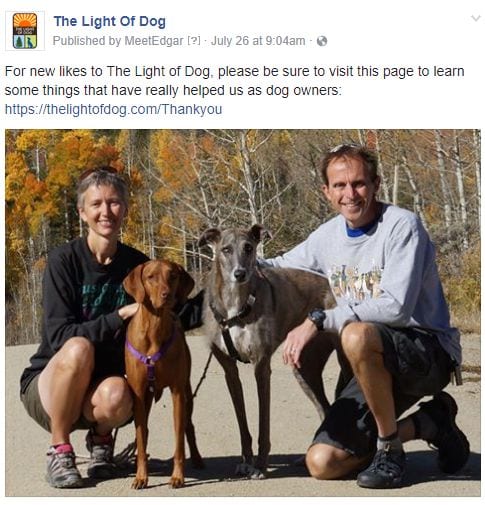
I also adapted this sequence for social media subscribers. I auto-post a weekly message to Facebook for new subscribers, [which drives them to this page](https://eddiesoehnel.com/lodsocialfollowwelcome).
|
||||
|
||||
Here is the originating Facebook post:
|
||||
|
||||
[](https://eddiesoehnel.com/wp-content/uploads/2017/08/ba4a2d48-e03c-4345-a81f-00ab4b4fe801.jpg)
|
||||
|
||||
At present, I average a 63% open rate and 21% clickthough rate with my email sequence.
|
||||
|
||||
### But I also want to use sequences to help screen out people.
|
||||
|
||||
Maybe someone signed up for my list, but in the course of the sequence, they decide they do not like me or want my content, in which case they unsubscribe, which is good, because ultimately, I can’t be everything to everyone. Best to get those people to remove themselves early on.
|
||||
|
||||
An autoresponder sequence is really just personal selling that is programmed into a sequence and delivered through a variety of mediums, like email, text, instant messaging, direct mail, and voice.
|
||||
|
||||
This sequence can be adjusted and modified based on the audience, delivered in a one-to-many fashion, like to your email list, or customized and delivered one-on-one to each specific person if the opportunity for personal selling arises.
|
||||
|
||||
The goal is to think through your own sequence and then set it up across your communication mediums that you want to use.
|
||||
|
||||
And your sequence does not have to be email, email, email…email; but can be something like, email, email, personal call, snail mail, email…
|
||||
|
||||
Be creative and use sequences and delivery mediums to help you stand out and capture attention.
|
||||
@@ -0,0 +1,17 @@
|
||||
# Marketing for a small farm
|
||||
|
||||
Source: <https://eddiesoehnel.com/marketing-small-farm/>
|
||||
|
||||
Tags: farm, Marketing
|
||||
|
||||

|
||||
|
||||
A great article on marketing for a small farm from [Riva Richmond](http://www.forbes.com/sites/thestoryexchange/people/rivarichmond/#f8e0170562d6) on [Forbes](http://www.forbes.com/sites/thestoryexchange/2016/04/04/heather-sandford-has-a-strategy-to-bring-home-the-bacon/2/#2079aa9d4cdf).
|
||||
|
||||
I love small farms and buy all our meat direct from ones that meet our standards for quality product and humane treatment of animals. We certainly need more small farms that produce quality products in humane ways. Here’s a comment I left on ways this farm can grow, based on my experience:
|
||||
|
||||
1. Wholesale may likely be the least profitable channel and the hardest one to control the brand impression and quality. Try to compel consumer’s to become direct customers through engaging packaging that drives them to the farm’s website, or co-branding opportunities at restaurants.
|
||||
2. Online could be the most profitable channel, if products are priced right. I try to set higher anchor prices on single units and then offer generous discounts on volume purchases. Shoot for 30% net profit margin on single units and 20% on volume purchases. That may be really hard with their products, but maybe possible by adjusting the branding and finding ways to increase value without cost.
|
||||
3. With online, you also own the customer and have direct communication to them through email or snail mail. Another reason why online can work so well.
|
||||
4. I would think there is a sweet spot in sales/profitability, but how big is too big when you loose that small farm perception that is important to many consumers? On the front end, optimize product pricing (Suggested Retail Prices), drive incentives to purchase through the online or direct channel that is most profitable; and on the back end, optimize operations, which it sounds like they are doing and seeing success, and then drive towards that sweet spot without getting too big.
|
||||
5. A few online tactical marketing ideas: (a) [Follow.net](http://Follow.net), [MixRank](http://MixRank.com), [Ahrefs](http://ahrefs.com) – some good sites for understanding competitor ad strategies. There is traffic already for your product category, you just want to direct that traffic to you, so look at what others in your category are already doing and model their ad strategy; (b) you might want to play with landing pages and sales funnels for where your ads drive consumers back – they might be a better way to sell than just an e-commerce page. My preferred tool is ClickFunnels, but others also on the market
|
||||
@@ -0,0 +1,15 @@
|
||||
# Marketing
|
||||
|
||||
Source: <https://eddiesoehnel.com/startup-roadmap/marketing/>
|
||||
|
||||
Tags: None listed
|
||||
|
||||
Retrieved from the supplied WordPress backup.
|
||||
|
||||
# Marketing
|
||||
|
||||
### Organize the marketing of your product.
|
||||
|
||||
[Embedded Google document](https://docs.google.com/document/d/1ckYUER0X7R-p5AXmfAeW7_tyBWl_rhuSR3Ie6jt5jPg/pub?embedded=true)
|
||||
|
||||
## Questions, Feedback?
|
||||
@@ -0,0 +1,60 @@
|
||||
# My ecommerce sales funnel results
|
||||
|
||||
Source: <https://eddiesoehnel.com/ecommerce-sales-funnel-results/>
|
||||
|
||||
Tags: attribution, crossell, crossells, downsell, downsells, ecommerce, ecommerce sales funnel, infrastructure, PHP, upsell, upsells, woocommerce, wordpress
|
||||
|
||||
## Background on my ecommerce sales funnel
|
||||
|
||||
Ecommerce sales funnels are designed to guide a consumer through the purchase process and present them with value-added offers that compliment their existing purchase before they checkout.
|
||||
|
||||
I architected and had developers build my ecommerce sales funnel. Rather than use an existing solution, I went this route because of the following:
|
||||
|
||||
1. I could not find a customizable ecommerce cart to turn into a sales funnel;
|
||||
2. Which fits with WordPress;
|
||||
3. That can accomodate a multi-product ecommerce setup;
|
||||
4. That is “smart” and can be personalized based on what the customer has or does not have in their cart;
|
||||
5. Whose data from the sale can be sent to an external database;
|
||||
6. All done cost-effectively (there are enterprise-level systems I have used that can do this, but they are far too expensive for startups or small consumer product companies);
|
||||
7. And, once built, allows me to change the funnel sequences and build the upsell/crossell/downsell pages on my own without having to engage with my developer every time. This is a huge requirement because in the past, every time I wanted to change anything in my sales funnel, I would have to engage with my developer, which added cost and time. By having the ability to do it all myself, I save money and can do things quickly myself.
|
||||
|
||||
I designed the flow and requirements, summarized in the diagram below, and had developer’s code this into Woocommerce.
|
||||
|
||||
[](https://eddiesoehnel.com/wp-content/uploads/2018/01/ecommerce_sales_funnel.jpg)
|
||||
|
||||
## What makes my ecommerce sales funnel “smart”?
|
||||
|
||||
What makes this ecommerce sales funnel smart is the rules engine I had built. It works as follows:
|
||||
|
||||
1. Based on what the customer has or does not have in the cart, the cartsell pages will show through guidance with a rules engine.
|
||||
2. The cartsell pages are upsells, crossells and downsells; they are just single wordpress pages.
|
||||
3. For example, full priced items can be shown in the product catalog page, which is the start of the ecommerce sales funnel and cart checkout process. The product catalog page also has a dynamically updating cart to show the customer what is in their cart based on what is added from the product catalog page.
|
||||
4. If the customer selects to purchase them, then cartsell pages on those products will not be shown. If the customer does not have the full price item in their cart, a cartsell page with an offer for a discount can be show to entice the customer to purchase.
|
||||
5. Based on what the customer accepts or does not accept in the cartsell pages, the rules engine can be further customized to change the cartsell page flow.
|
||||
6. Each cartsell page is a dedicated landing page promoting a product or offer.
|
||||
7. I build my cartsell pages and group them under a parent page (like the shop page) and also order them to keep them organized and together in the pages view in WordPress.
|
||||
8. There is a priority list so that if a cart contains more than 1 product that has a rules sequence attached to it, then the rules sequence for the highest level priority product will be shown first.
|
||||
|
||||
Following checkout, I use the Zapier plugin to send the customer information and purchase data to an external relational database, which is my central warehouse for all my customer transactions, marketing and CRM data.
|
||||
|
||||
The rules engine is a single PHP page. To keep it lightweight, I did not build a front-end to it. Once it was built and initial rule sequences built in, if I want to add a sequence, I just copy and paste a section of the code with the sequence I want and change the page ID’s. This allows me to add, delete or adjust sequences based on the models already created on my own without having to engage with my developer. I can read PHP code, so it is not that hard once I grab the sequence I want.
|
||||
|
||||
For example, one rule sequence contains three upsells, and one downsell. If I want to create a new rules sequence with this 3-1 format, I just copy it from an existing rules sequence, paste it in the PHP document in the location I want and comment as needed to keep it organized. Then, I change the wordpress page ID numbers in this copied sequence to match how I want the sequence to go.
|
||||
|
||||
Eazy peazy.
|
||||
|
||||
## The results
|
||||
|
||||
After a year of having the ecommerce sales funnel operational, on average, 13% of customers that enter the ecommerce cart add an upsell, crossell or downsell to their cart.
|
||||
|
||||
That is an across the board average.
|
||||
|
||||
Some products have higher averages and some have lower.
|
||||
|
||||
But I think my overall upsell/crossell/downsell results is much better because I have noticed that some customers which do not accept either in the checkout flow end up making a purchase of one of the upsell/crossell/downsell products later on.
|
||||
|
||||
I can’t necessarily attribute that follow-on purchase to the original upsell/crossell/downsell display in the sales funnel because I am marketing many of my upsell/crossell/downsell products across different channels to the customer (website, email, snail mail, events).
|
||||
|
||||
But the ecommerce sales funnel is just another channel to advertise upsell/crossell/downsell products, even if they do not accept it at the time of checkout.
|
||||
|
||||
My ecommerce sales funnel is in operation in my [pet category company here](https://thelightofdog.com).
|
||||
+30
@@ -0,0 +1,30 @@
|
||||
# One way for testing a business idea even if you do not have a product to sell
|
||||
|
||||
Source: <https://eddiesoehnel.com/testing-a-business-idea-no-product/>
|
||||
|
||||
Tags: A/B testing, conversion, landing page, MER, ROAS
|
||||
|
||||

|
||||
|
||||
I had a pre-launch startup in the pet category contact me with a product idea and a website created around the idea. They were trying to raise money from investors for a seed round to produce a small number of units to sell.
|
||||
|
||||
I personally did not think much of the idea, but what I think does not matter. What did the market think?
|
||||
|
||||
The company had a lot of secondary research about the problem but no primary research to indicate that their solution would solve the problem in a way that would interest consumers to purchase.
|
||||
|
||||
This is a problem for them, especially if they are trying to raise money for an idea that has no primary market data to indicate it will succeed. And, this was not an experienced team, but first-timers in the startup world, so that was another big strike against their prospects.
|
||||
|
||||
My suggestion for testing a business idea with no product was to understand what the market thought of their idea. Here is how:
|
||||
|
||||
1. Setup a landing page with basic copy and product images through a unique, actionable URL;
|
||||
2. Create a call-to-action to get people to sign up to receive emails when the product launches;
|
||||
3. Buy some traffic and run it to that page and do some basic A/B testing to improve email signup conversions;
|
||||
4. Take your ad clicks and divide by signups to get conversion rate. Assume 20% of signups buy the product. With these assumptions plus your ad cost, you can arrive at some assumptions about interest.
|
||||
|
||||
Responders who sign up for emails are certainly not purchases, but they are still people who care enough about what you have to give their email address. That means something.
|
||||
|
||||
The only good thing I saw going for this company – besides a lot of secondary research to indicate the problem – was that the SRP for the unit was pretty high. This means that with less traffic, they can still drive good revenue, versus a lower priced product where they need a lot of traffic to drive top line revenue.
|
||||
|
||||
[See this quick and easy conversion model with some assumptions I threw in](https://docs.google.com/spreadsheets/d/1xO7eTEKTf4VV9BicLMvHXIIuVlPQz4cXFSFlzbdKh9c/edit?usp=sharing), but replace some of these variables with actual results. If you start to see ROAS results that are 4+, then you might have an interesting idea that might increase investor interest.
|
||||
|
||||
If you do not, no matter what kind of A/B testing you do, then you might want to go back to the drawing board to come up with a better idea.
|
||||
+118
@@ -0,0 +1,118 @@
|
||||
# Product reviews: we need them to sell, but we have to sell first to get them…what is a startup to do?
|
||||
|
||||
Source: <https://eddiesoehnel.com/product-reviews-need-sell-sell-first-get-startup/>
|
||||
|
||||
Tags: authenticity, Branding, customer reviews, FOMO, scarcity, transparency, woocommerce, word of mouth, wordpress
|
||||
|
||||

|
||||
|
||||
It’s the classic chicken or the egg…which came first. We need product reviews to sell, but how do we get them if we have not sold? Unfortunately, product reviews have been completely distorted in the marketplace from their original intent:
|
||||
|
||||
- The review has nothing to do with using it to improve products or offerings, which is what review are suppose to do, but instead, just to stoke sales.
|
||||
- Because reviews help sell, companies have resorted to offering bribes to customers to give positive reviews, which taints reviews, which leads to their becoming unreliable.
|
||||
- Negative reviews are leading to lawsuits against the consumers that wrote them.
|
||||
- We consumers are sick of giving reviews, yet are still pestered unbelievable for a review after we buy a product.
|
||||
|
||||
How do we get out of this mess?
|
||||
|
||||
I don’t know, but the question I want to answer is: **How do us startups get honest public validation for our products to help us sell?**
|
||||
|
||||
Here are my thoughts.
|
||||
|
||||
### Asking for product reviews
|
||||
|
||||
Yes, do this, and play with offering incentives to give reviews, but be careful.
|
||||
|
||||
Don’t give a direct incentive via product discount or free product, which is too much of a bribe, but instead, offer a different product that compliments your main offering will help the customer. That way, they get something that they probably would not pay money to receive, so it is less of a direct bribe via a discount or free product, which I think may be going too far.
|
||||
|
||||
Think about building 100 true fans. This is an adaptation of the 1000 true fans approach, because 1000 is a lot for a startup, but if you can genuinely get 100 that love you, your products, believe in you, and have a connection with you, then ask them for genuine reviews to be posted. I think this approach is fine, because you are asking from people that are true believers and users of your products.
|
||||
|
||||
But also ask for reviews not for the end goal of publishing them, but to genuinely get feedback to improve. Get back to using reviews for what they were intended for.
|
||||
|
||||
I built an object in my customer database just for tracking reviews. It tells me who I have asked for reviews, the reviews they submitted, and who has not received a review request. I have to manually update the database object with this information.
|
||||
|
||||
When I send my reviews, I do it from my personal email rather than automated response through my system connected to my ecommerce cart that can also be setup to send reviews.
|
||||
|
||||
### Social likes/Follows/Upvotes
|
||||
|
||||
This is an indirect public validation that while not product specific, can help with sales. But this also probably means having social accounts with good content that will cause people to want to like/follow/upvote your company.
|
||||
|
||||
And if you can give people incentives to also post using your product, that can help significantly, but again, it is like a review and people have to take action.
|
||||
|
||||
### Website validation engine
|
||||
|
||||
This is a term I came up with to describe software I have thought about building, but it appears there are companies popping up already doing this.
|
||||
|
||||
In essence, it is a rolling sidebar popup that displays information about the recent sales of your products, so that a prospect can see that there are others buying on your website already. Check out UseFomo.com as an example.
|
||||
|
||||
I really like this because at the end of the day, it is about selling products, and if others are buying, especially repeat purchasing, then that is what we want to tell the world about, because that is all the validation we really need.
|
||||
|
||||
### Word of mouth
|
||||
|
||||
This is a product review, but posted to our social circles and to people we know. That also is the best product review because it is far more trusted than a public review posted on a product page.
|
||||
|
||||
I actively ask my customers for referrals, whether it is in my marketing emails, transaction emails, snail mail marketing and any other method I use to remarket to my customers.
|
||||
|
||||
If they like your product and like you, then ask them and keep asking them for referrals. It really works.
|
||||
|
||||
I am playing with ways for my products to be shared or sampled out by my customers. This is another indirect form of word of mouth marketing.
|
||||
|
||||
### WOW Products
|
||||
|
||||
I harp on this constantly, that startups need WOW products that CAPTURE ATTENTION QUICKLY. If we really focused on WOW, revolutionary products, then we would care a lot less about asking for reviews because we have such strong repeat customer purchases and word of mouth marketing that they would not be needed.
|
||||
|
||||
And it does not have to necessarily be a WOW product, but could be some element of your company that is wow, like:
|
||||
|
||||
- customer service (think Zappos);
|
||||
- environmental stewardship (think Patagonia);
|
||||
- breathtaking media (think Redbull).
|
||||
|
||||
And if you have such WOW products, then customers may be compelled and really happy to give a public review, and that is the best way to get a review. Don’t ask for it, just deliver such WOW that they will do it for you.
|
||||
|
||||
### Authenticity
|
||||
|
||||
Consumers want to know who they are buying from, and startups can shine in this area by being honest, transparent and authentic about who they are, what is in their product’s, how they are produced, and what their company stands for.
|
||||
|
||||
Creating these elements through content on your website, online and even in offline advertising helps create an emotional connection between you and your customer. That connection is what can help creates sales, repeat sales and loyalty.
|
||||
|
||||
### Money back guarantee
|
||||
|
||||
If you really believe in your product, then offer an insane money back guarantee that is heads and shoulders above your entire industry.
|
||||
|
||||
We did that in a past company: standard return policy was 30-days; we went a full year, no questions asked guarantee. That completely took the risk out of the buying equation for the customer.
|
||||
|
||||
### Content
|
||||
|
||||
Write detailed product descriptions, with lots of high quality copy to really help people get to know your products. Put your complete supply chain history of the ingredients and production online for people to see what is in your products, where it is coming from, and how it was produced.
|
||||
|
||||
Write great content around your product that helps elevate you as an authority in your industry and helps your customers get to know you.
|
||||
|
||||
I like content marketing and use it for my businesses extensively. This is one of the main reasons why my websites are built on WordPress, because it is a content management platform at its core. But the platform has become far more versatile than just content management. Use it in conjunction with WooCommerce to have an excellent direct-to-consumer sales platform that is very scalable. That is what I do.
|
||||
|
||||
### Public Relations
|
||||
|
||||
There’s the old way of sending out press releases that does not work, or the new way, as captured in this awesome instructional video that everyone should watch. These methods explained in this video are cheap and easy for any of us to replicate for our own businesses.
|
||||
|
||||
### Scarcity
|
||||
|
||||
Amazon does this, and a website validation engine can probably also do this. Post available inventory, especially when it is low, because scarcity instills the fear of missing out (FOMO), so people are more apt to make a purchase or stock up.
|
||||
|
||||
But you have to be genuine about this. If there are multiple ways to purchase your product, then someone can just go to another website or reseller. But if you genuinely restrict supply and create scarcity in your product, then that can really help.
|
||||
|
||||
I have seen this work really well for me and I am trying to figure out ways to do more of it.
|
||||
|
||||
### Longevity
|
||||
|
||||
Make products and packaging that sticks around.
|
||||
|
||||
For example, one of my products is in a nice 32-ounce glass reusable jar. I could go with cheap plastic that most of my competitors use, but that sucks for the environment.
|
||||
|
||||
My glass jar is reusable, which means it might stick around after the product inside is all gone and repurposed by the customer for some other use. This increases the chance for more brand impressions because they will still see my label on it (they are not easy to wash off).
|
||||
|
||||
### Events
|
||||
|
||||
Invite your customers to events you put on. This is another form of social validation that inspires camaraderie among a customer base, repeat purchasing and word of mouth, plus a great way to get post event reviews (assuming people had a good time).
|
||||
|
||||
I think this is hard for small companies; easy for a company like Apple. See here as an example for how a small company does it with their customer base.
|
||||
|
||||
I have been experimenting with this the last few years with little success. I think I can make it successful for my company in the future, but I need to build my company, product line and some additional capabilities to do it the way I want.
|
||||
@@ -0,0 +1,19 @@
|
||||
# Recent spikes in email marketing click through rate
|
||||
|
||||
Source: <https://eddiesoehnel.com/recent-spikes-email-marketing-click-rate/>
|
||||
|
||||
Tags: Email Marketing
|
||||
|
||||

|
||||
|
||||
My last two emails sent to my list saw spikes in click through rates on one link in each email.
|
||||
|
||||
Both links led to entertainment-based content with a short video.
|
||||
|
||||
On seeing this, I reviewed all the performance stats on emails sent to my list in the last year and did not see anything near those email marketing click through rates. Those spikes were at least double the email marketing click through rate I have seen in other emails.
|
||||
|
||||
I have not done much entertainment-based short video in the past, so these results means I will be trying to do more.
|
||||
|
||||
While video can be time consuming, neither one of these took long at all to assemble.
|
||||
|
||||
In fact, for one of the videos I used the Snapchat app on my phone to cobble together a bunch of short clips.
|
||||
+28
@@ -0,0 +1,28 @@
|
||||
# Retail e-commerce data and what it means for your consumer product company
|
||||
|
||||
Source: <https://eddiesoehnel.com/retail-e-commerce-data-means-consumer-product-company/>
|
||||
|
||||
Tags: e-commerce, retail
|
||||
|
||||
|
||||
|
||||
[YouTube video player 1](https://www.youtube.com/embed/Ed665gTmt9s?wmode=transparent&autoplay=0)
|
||||
|
||||
Retail e-commerce increased 14.6% from 2014 to 2015, and accounts for only 7.3% of total retail sales.
|
||||
|
||||
Total retail sales increased 1.4% from 2014 to 2015, which means brick/mortar sales increased less than 1.4 when you take out the e-commerce share%, which means brick/mortar actually shrunk relative to inflation (inflation running in the 4% range, according to [Shadowstats](http://www.shadowstats.com/)).
|
||||
|
||||
Map of same day delivery service in major metropolitan areas offered by Amazon.
|
||||
|
||||
Some quick conclusions:
|
||||
|
||||
- Regardless if whether you sell in brick/mortar, you need a strategy and infrastructure to sell online to take advantage of the growth;
|
||||
- You want to position for same day delivery as this segment grows (another reason why you need a strategy and infrastructure for online sales)
|
||||
- If you move or grow in brick/mortar, you are likely replacing someone else, which makes it very competitive;
|
||||
- Brick/mortar still commands the majority of retail sales, so you want to be here, but realize it will take time and likely reduced profitability relative to online in the short-term to make this channel work.
|
||||
|
||||
See data points below:
|
||||
|
||||
[U.S. Dept. of Commerce E-commerce Sales Data – 2015](https://drive.google.com/file/d/0B23QMv-jQxTtc2J3emprenVybjA/view?usp=sharing)
|
||||
|
||||
[](https://eddiesoehnel.com/wp-content/uploads/2016/04/2016_Amazon_Same_Day_Delivery_Map.jpg)
|
||||
+77
@@ -0,0 +1,77 @@
|
||||
# Retention marketing methods for consumer product companies
|
||||
|
||||
Source: <https://eddiesoehnel.com/retention-marketing-methods-for-consumer-product-companies/>
|
||||
|
||||
Tags: direct mail, email list, retention marketing, trans
|
||||
|
||||

|
||||
|
||||
I am a big believer in retention marketing because it works.
|
||||
|
||||
Retention marketing is marketing you do to customers you have acquired through past purchases.
|
||||
|
||||
It is also far cheaper to retain customers than to acquire new ones – [like 5 to 25 times cheaper, depending upon your industry](https://hbr.org/2014/10/the-value-of-keeping-the-right-customers). My personal experience is that it is about 7x cheaper to retain than to acquire.
|
||||
|
||||
I built out my internal systems so that I can do pretty effective and sophisticated retention marketing. I won’t go into detail on those systems but you can get an idea of the [technology infrastructure I use](https://eddiesoehnel.com/technology-infrastructure-for-consumer-product-companies/) to help me do retention marketing.
|
||||
|
||||
What I want to do in this post is list out the specific methods that can be employed for retention marketing and what I do with respect to these methods.
|
||||
|
||||
### Transactional
|
||||
|
||||
When they purchase, you email them a receipt. But transactional communication can also include shipping information, review emails and customer service emails.
|
||||
|
||||
I customize my transactional receipts to cross-sell them on my other products and services. I also try to advertise the availability of any other helpful free offerings, like a link to a recent blog post.
|
||||
|
||||
My review emails are requests for product reviews, but I also include images and links to my product and service groupings, in an effort to do some cr0ss-selling.
|
||||
|
||||
I love selling digital products with lifetime access. This gives me an excuse to email the customers of these products one or two times per year with information about any updates I have made to them and to remind them that they have lifetime access. In the email, I also include images and links to my product and service grouping in an effort to do some cross-selling.
|
||||
|
||||
### Email List
|
||||
|
||||
I automatically put all new customers on my email list, which is the best way for me to do retention marketing. I do general email blasts as well as targeted email blasts based on segments that I create using my customer database.
|
||||
|
||||
### Social Channels
|
||||
|
||||
I post content regularly to my social channels for my subscribers there to see.
|
||||
|
||||
### Community
|
||||
|
||||
I have an online forum or community through my social channels where members can join and participate and I actively participate in it, manage it, and showcase member posts, either on the community, or elsewhere in my advertising.
|
||||
|
||||
### Retargeting
|
||||
|
||||
I consistently retarget my customer base especially on Facebook, mostly with [branding-related content, but sometimes with direct marketing content](https://eddiesoehnel.com/consumer-product-growth-strategies/). Retagreting can also be done on other social and advertising channels. I find the branding-related content works better. Usually, that content is new posts that I will boost or a link to a recent list email that I sent. This is just another way to help stay top of mind with my customers.
|
||||
|
||||
### Direct mail
|
||||
|
||||
To keep costs low, I use targeted direct mail based on segments I create using my customer database. I usually am only sending direct mail pieces to my best customers to keep them engaged. Content is usually around invite to events or to reward them with free product or samples.
|
||||
|
||||
### Logistics and shipping
|
||||
|
||||
This is more related to transactional, but I make it a separate category to distinguish it from digital communication. In this method, I am customizing the shipment to the purchaser, which usually means inserting specific content pieces into the shipment. I like to put in additional helpful information about the product purchased and how to use it as well as marketing information.
|
||||
|
||||
### Product packaging
|
||||
|
||||
One thing I have been trying for awhile without much success is to include specific calls to action on the label of the product itself. I usually put a special URL to drive them to a landing page for something helpful or free. My primary reason for doing this is to see if I can siphon off purchasers at retail to instead become direct buyers from me and not the resellers/retailers.
|
||||
|
||||
### Loyalty programs
|
||||
|
||||
I have not directly used loyalty programs in my businesses, but this is a way to do retention marketing. I sort of indirectly do loyalty marketing through the special offers and perks I give to my best customers.
|
||||
|
||||
### Physical contact
|
||||
|
||||
Anyway I can meet my customers, I will do that. If my business is local, I try to hold events and invite my customers. The more one-on-one interaction I have with them, the higher potential there is to create a bond with them through the personal interaction.
|
||||
|
||||
### Personalization
|
||||
|
||||
This generally means to personalize my website so that each customer is served specific content for them, but you can think of personalization in direct mail and physical contact channels. For a website, personalization takes more advanced back end heavy lifting of the website to be able to recognize customers and customize content based on predefined rules and data about the customer.
|
||||
|
||||
Personalization also encompasses products, where customers can get a product tailored to their needs
|
||||
|
||||
### Crowdsourcing
|
||||
|
||||
Ask your customers to help you design products and services. Involve them in the process which is not just a way to connect with them and retain them, but also a way to help design products and services that your customers will buy.
|
||||
|
||||
Those are the methods I can think of and use.
|
||||
|
||||
Another important element to retention marketing is data collection. As much as possible, you want to be able to track how the above activities work for you. To do that you want to pay special attention to setting up your infrastructure so that all your activities and results flow into your database.
|
||||
+95
@@ -0,0 +1,95 @@
|
||||
# Review of Internet Trends 2017 Report in context of consumer products
|
||||
|
||||
Source: <https://eddiesoehnel.com/review-internet-trends-2017-report/>
|
||||
|
||||
Tags: ad blocking, analog marketing, conversion, customer service, digital marketing, marketing arbitrage, mobile, online video advertising, retail
|
||||
|
||||
|
||||
|
||||
I reviewed [this year’s report](http://www.kpcb.com/internet-trends) and extracted pieces of data important to consumer product brands selling to consumers direct or through resellers. Here they are.
|
||||
|
||||
---
|
||||
|
||||
Global internet users = 3.4 bil at 10% per year growth. The market to sell online continues to grow, especially in developing and frontier markets, so digital products can be sold globally, versus physical products that can be more difficult to sell cross-border. Try to include digital products in your product lineup.
|
||||
|
||||
---
|
||||
|
||||
US internet use/engagements: 4% growth per year. For the U.S. market, attention is going towards digital, so you need to be there in a big way.
|
||||
|
||||
---
|
||||
|
||||
5.6 hours per day on Internet – 60% of that on phone. Optimize entire digital presence for a mobile device, which is easy with current web platform technologies.
|
||||
|
||||
---
|
||||
|
||||
Mobile advertising is where growth is happening -desktop has declined.
|
||||
|
||||
---
|
||||
|
||||
Looks like opportunity in ad spend is on mobile, not on Internet, TV, radio or print, based on usage
|
||||
|
||||
---
|
||||
|
||||
Internet ad spend will surpass TV within 6-months. So, TV might become the better opportunity because more available inventory that will come down in price (marketing arbitrage).
|
||||
|
||||
---
|
||||
|
||||
Google and Facebook command 85% and rising share of internet advertising growth. Opportunity might lie in other networks where marketing arbitrage is better.
|
||||
|
||||
---
|
||||
|
||||
Ad blocking on US desktop is 18%, where mobile is 1% – still does not seem a big problem, but why you need to focus on organic content, not paid or ads, especially if this trend continues. This is what I do for organic content marketing:
|
||||
|
||||
- email list;
|
||||
- snail mail/direct mail;
|
||||
- transactional emails;
|
||||
- customize email signatures;
|
||||
- events;
|
||||
- attract social followers;
|
||||
- product packaging;
|
||||
- product shipments to consumers (customize shipping box, add in other marketing materials to the packaging);
|
||||
- 3rd party marketplaces
|
||||
- product listing ads
|
||||
- content/SEO;
|
||||
- word of mouth
|
||||
- get credible reviews.
|
||||
|
||||
---
|
||||
|
||||
26% of Facebook users that clicked an ad made a purchase. This is a stunning conversion rate to me (and wonder if it is correct). I think it will go down as ad fatigue on Facebook sets in, but now is time to take advantage of it.
|
||||
|
||||
---
|
||||
|
||||
Online video advertising: mobile app reward is only one with which consumers have strong positive attitude towards. All others – social click to play, skippable pre roll, popups, banners – have strong negative attitudes. You may not want to use them as much.
|
||||
|
||||
---
|
||||
|
||||
Interesting idea here for retail locations or if you are doing location-based selling (events, popup stores).
|
||||
|
||||
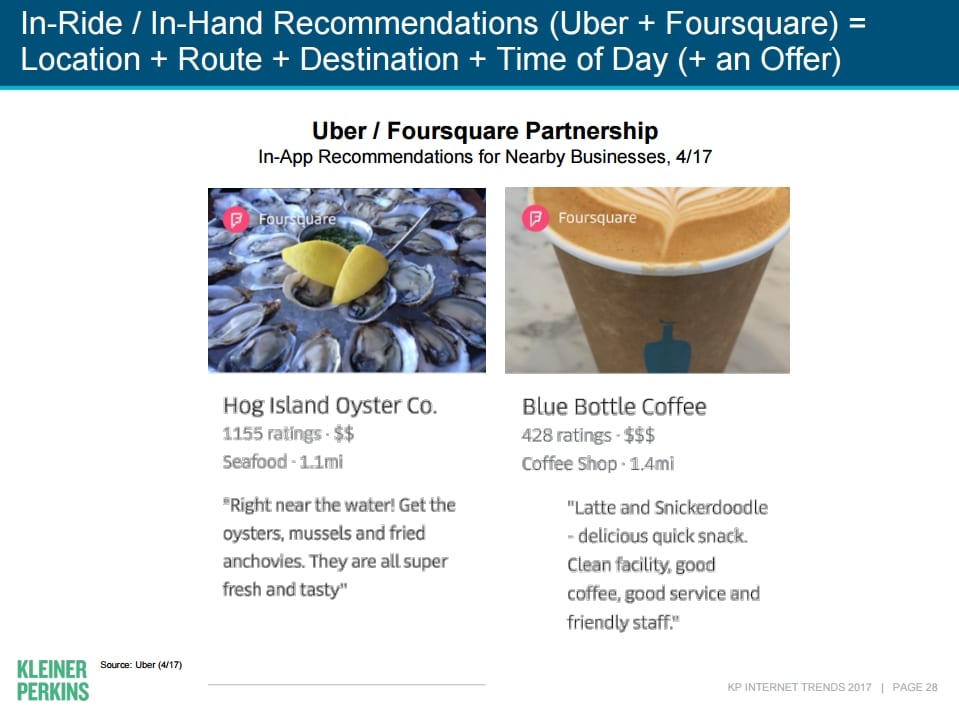
|
||||
|
||||
---
|
||||
|
||||
I would add voice to the statement below as well. But if images, then use lots with your products showing different ways to use or in different settings, maybe with text in the image (but not more than 20% of area is text because of ad restrictions on some platforms).
|
||||
|
||||
|
||||
|
||||
---
|
||||
|
||||
Demand for instant customer service response makes it hard for small, niche companies to compete.
|
||||
|
||||
---
|
||||
|
||||
Retail is not dead, just changing. Old stalwarts are being disrupted. Internet only brands/companies going to retail offering new experiences and leveraging online/offline.
|
||||
|
||||
---
|
||||
|
||||
This slide surprised me. Analog use is not going down, but digital is going up, which means we are just spending more time looking at screens.
|
||||
|
||||
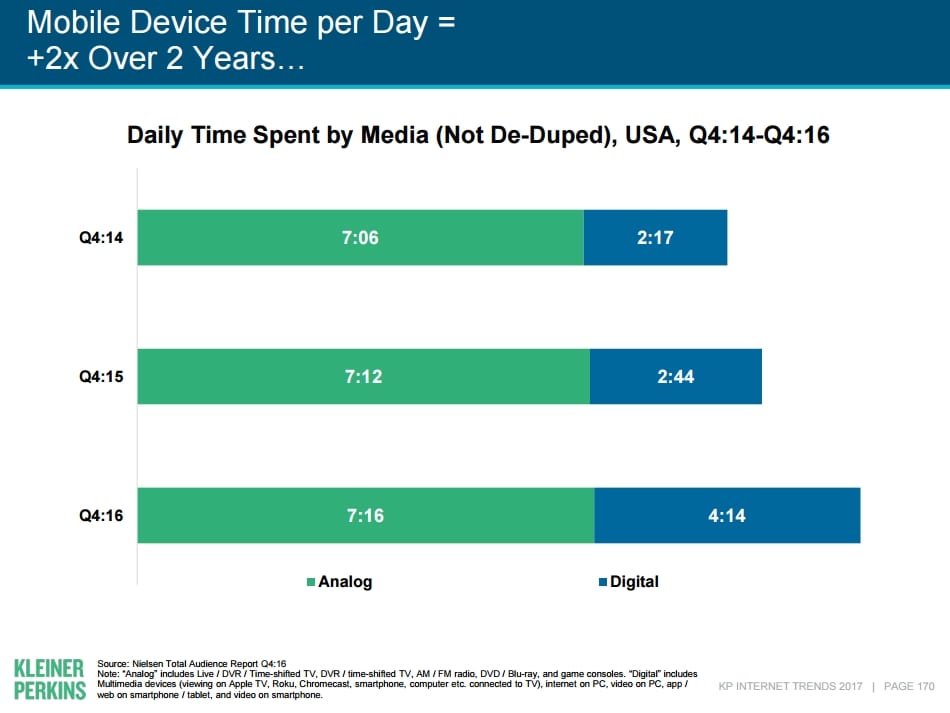
|
||||
|
||||
---
|
||||
|
||||
I found this slide interesting, and it appears that AR/VR will not keep to this trend.
|
||||
|
||||
|
||||
+19
@@ -0,0 +1,19 @@
|
||||
# Simple model to determine success of product sampling in e-commerce
|
||||
|
||||
Source: <https://eddiesoehnel.com/simple-model-to-determine-success-of-product-sampling-in-e-commerce/>
|
||||
|
||||
Tags: AOV, Average order value, Breakeven, Customer Acquisition Costs, ROAS, Spreadsheet
|
||||
|
||||

|
||||
|
||||
Here is a simple model to determine success of product sampling in e-commerce.
|
||||
|
||||
I was presented with some quick performance metrics on an e-commerce product sampling campaign for a supplement startup, which included the cost of the sample plus shipping ($.70), the average order value ($39) and the response rate at 20%.
|
||||
|
||||
That got my wheels turning and I quickly determined that this campaign could be a winner.
|
||||
|
||||
How? I made some assumptions, including that the average breakeven return on ad spend (ROAS) for a consumer product company is 2. So if 10 samples were sent at $7 total cost, and 2 orders were placed that is $78 dollars in revenue, which gives a ROAS of more than 11. That is fantastic, but I am missing another variable.
|
||||
|
||||
The unknown that I was not given was the cost to acquire a customer to send them a sample. That would need to be added in to get a sold ROAS number.
|
||||
|
||||
[Here is the model](https://docs.google.com/spreadsheets/d/1_CC9rUoueS_oxIu1jGCxWmLWOEsdz1MHQEZnMrypADU/edit?usp=sharing) I put together that gives a quick analysis and helps me do some what-ifs when the variable that changes is the cost to acquire a customer to send them a sample.
|
||||
@@ -0,0 +1,21 @@
|
||||
# The importance of packaging for a CPG product
|
||||
|
||||
Source: <https://eddiesoehnel.com/the-importance-of-packaging-for-a-cpg-product/>
|
||||
|
||||
Tags: CPG, packaging, retail
|
||||
|
||||

|
||||
|
||||
The importance of packaging for a CPG product is significant. Here’s why:
|
||||
|
||||
- A study done by Proctor and Gamble 25 years ago indicated that consumers pushing a shopping cart down the aisle of a supermarket look at packaging for 1/6th of a second before they decide to stop and look.
|
||||
- According to the Food Marketing Institute, if a customer picks up a package, even if they are not familiar with the product, there is a 71% chance they will put it in the shopping cart.
|
||||
- A study conducted by Goldman Sachs in the 1990s indicated that for shoppers who shop with a shopping list, >60% of the content of the shopping cart were impulse purchases, thus the importance of packaging to appeal to that impulse.
|
||||
|
||||
I think since the great recession of 2008, these last two statistics are not as high, as every indication is that people at all levels of society have changed their behaviors to reflect the economy. But, packaging is still critical because it conveys and confirms our expectation of satisfaction, even if we can’t fully elucidate our expectations. The product has to have an interesting enough presentation to cut through the noise and clutter and appeal to the customer.
|
||||
|
||||
You can improve packaging over time, but it has to be incremental improvements, not revolutionary improvements. If the packaging is incompetent from the start, there will be no second chance. If you are in retail distribution, to continue the baseball analogy, “Strike one. You’re out.”
|
||||
|
||||
Moreover, how happy do you think retailers will be, if any of them are stocking the product, when you announce “all new packaging”? Retailers will want you to pick up the old packaged product at your expense. Also, category managers usually look carefully at the packaging of any new products presented to them and if the packaging is unclear, the use of the product is ambiguous and benefits are not screaming headlines, your chances of getting retail distribution shrink significantly.
|
||||
|
||||
Try to get the major stuff with your packaging right the first time, which is color and key differentiating features about what your product delivers over the competition. Make it crystal clear for the consumer…don’t make them think. Packaging flows from the overall brand strategy.
|
||||
@@ -0,0 +1,31 @@
|
||||
# The two biggest hurdles for successful marketing
|
||||
|
||||
Source: <https://eddiesoehnel.com/the-two-biggest-hurdles-for-successful-marketing/>
|
||||
|
||||
Tags: direct marketing, Marketing, trust
|
||||
|
||||

|
||||
|
||||
I recently worked on a direct marketing campaign with mediocre results. I saw a 7.5% response, which in direct marketing would be considered very successful, but I was hoping for something north of 20%, considering the free offer provided. I don’t have any historical data indicating that I should have gotten 20%; it’s just the number I put in my head that I thought I needed to generate the ROI I wanted on this campaign.
|
||||
|
||||
Next time, I am pretty sure I can improve on that number by modifying the creative, sweetening the free offer a bit and making the landing page easier to navigate.
|
||||
|
||||
So, what’s wrong with this picture? I was pretty obsessed with the response and ROI of THIS campaign. That’s not a bad thing. I mean, marketing has to give an acceptable ROI, right?
|
||||
|
||||
I think what’s wrong with this picture is that I am forgetting about The two biggest hurdles for successful marketing: patience and trust.
|
||||
|
||||
With patience, it really takes time and consistent delivery of a message before a consumer responds. I think this is the case for most products. Some have such a nice “WOW” factor to them that the consumer will respond quickly. But in general, most products take consistent messaging to generate a response.
|
||||
|
||||
What do I mean by trust? Well, I think that trust is the scarcest thing available to companies. Consumers have become leery and cynical towards companies and business in general. They don’t trust that they will do what they say or deliver on their promises. You can’t blame them. Look at the exaggerated claims that companies make about their products and services, and then never deliver. Or, how about the difficulty in returning a product or getting helpful customer service.
|
||||
|
||||
It’s not just company-consumer trust; its business-to-business trust, too. Companies don’t trust sales people who come calling, selling them the latest and greatest. Companies don’t trust consultants and other business service providers. This has evolved, I think, because of competition: to be heard and get your marketing or sales message through all the clutter, you have to make more and more exaggerated claims about your products and services.
|
||||
|
||||
To really succeed, marketing requires patience that your message will resonate and get through.
|
||||
|
||||
Patience means consistently marketing so that customers can see that you are around for the long-haul.
|
||||
|
||||
This leads to trust, which will cause them to buy your products, and if they are good products, buy them again and again.
|
||||
|
||||
As this cycle continues, consumers will develop more and more trust in you, your company, your messaging and your products. That’s how you get good ROI on your marketing.
|
||||
|
||||
So, the lesson here is that this was just one campaign, and I will want to stick with doing many more of the same campaign in the future so that I can slowly build my target market’s trust that I am here, I’m not going away, and I’ve got real value to offer in my products.
|
||||
+11
@@ -0,0 +1,11 @@
|
||||
# Tools for product developers – the hackers – to also become marketers – the hustlers
|
||||
|
||||
Source: <https://eddiesoehnel.com/tools-product-developers-hackers-also-become-marketers-hustlers/>
|
||||
|
||||
Tags: None listed
|
||||
|
||||

|
||||
|
||||
How power to market and sell consumer products is shifting to the hackers. If you’re a hustler – the marketer, which I am – you might want to become a hacker – the product developer – because the world of marketing needs fewer hustlers. Learn more about some of my core marketing tools for hackers to also become hustlers.
|
||||
|
||||
[YouTube video player 1](https://www.youtube.com/embed/2h9lY_1YUtw?wmode=transparent&autoplay=0)
|
||||
+36
@@ -0,0 +1,36 @@
|
||||
# What are the biggest mistakes in CPG package design? How do you avoid them?
|
||||
|
||||
Source: <https://eddiesoehnel.com/what-are-the-biggest-mistakes-in-cpg-package-design-how-do-you-avoid-them/>
|
||||
|
||||
Tags: CPG, packaging, retail
|
||||
|
||||

|
||||
|
||||
I was asked this question on CPG package design on [Quora](https://www.quora.com/Consumer-Packaged-Goods-CPG/What-are-the-biggest-mistakes-in-CPG-package-design-How-do-you-avoid-them?__snids__=118381146&__nsrc__=4). My response is below.
|
||||
|
||||
I think the biggest mistake is not grabbing consumer’s attention. There are so many products on shelf that it’s easy to get lost and not get any attention. This is especially the case if there is limited or no out-of-store marketing to create brand awareness. Consider the following:
|
||||
|
||||
- A study done by Proctor and Gamble 25 years ago indicated that consumers pushing a shopping cart down the aisle of a supermarket look at packaging for 1/6th of a second before they decide to stop and look.
|
||||
- According to the Food Marketing Institute, if a customer picks up a package, even if they are not familiar with the product, there is a 71% chance they will put it in the shopping cart.
|
||||
- A study conducted by Goldman Sachs in the 1990s indicated that for shoppers who shop with a shopping list, >60% of the content of the shopping cart were impulse purchases, thus the importance of packaging to appeal to that impulse.
|
||||
|
||||
Based on this, its important to get it right with your packaging. First, start with some background research:
|
||||
|
||||
1. Have a thorough understanding of your brand – who you are, what you do and how that benefits your target market. Take the time to figure this out as early as possible in the life of your company, and certainly before you are ready to scale.
|
||||
2. Know the value your products provide and how they are differentiated from your competitors.
|
||||
3. Know the market, customer dynamics and trends of your category(s) where you sell.
|
||||
4. Know the purchase drivers that your customers use to make purchase decisions in the category(s) you occupy.
|
||||
5. What is your suggested retail price (SRP) and why? A higher price may mean that your brand and packaging should reflect that higher price – i.e, be more upscale.
|
||||
6. Know your competitors packaging well. Consider setting up a shelf in your office that is the same height and depth as that found in retail so you can place all your competitor’s product on it to compare and contrast.
|
||||
7. Besides knowing your competitors and their packaging, take the time to go through the whole store to see what other kinds of packaging are being used and what might fit with your brand. What grabs your attention and why? This will help give you ideas.
|
||||
|
||||
From your research and analysis above, consider the following to create great packaging:
|
||||
|
||||
1. Use the data from the above questions to help figure out how to appeal to your target market and what holes you fill in your category. Consider using two-axis competitor maps to help you arrive at this.
|
||||
2. Develop words and statements that differentiate you and appeal to your customer’s purchase drivers.
|
||||
3. Develop the form factor, size, graphics, and colors, along with your words and statements, that will allow you to be distinctive, differentiated, clear, concise and hard-hitting. How can you use design elements and text to grab attention in 1/6 of a second against the sea of competitors already on shelf? Try to be different, but not so different that customers will get confused about what your product is and what it does.
|
||||
4. Be careful about putting too much information on the front of your packaging. Keep it simple. Put the most pertinent info that will differentiate, hits at purchase drivers and gets consumers to pick up the packaging.
|
||||
5. Use graphics people who are experienced in packaging design. Use appropriate legal and regulatory experts to review packaging and any claims you use. Proof carefully with many eyes, and do it again, and again.
|
||||
6. Get consumer feedback.
|
||||
7. Take your time. Don’t rush this. When creating new products, allow plenty of time in your project plan to get the packaging done right and give you time to think about it and get appropriate feedback
|
||||
8. Finally, try to do all this before you scale, if you are an early-stage company. That’s not suggesting you never touch your packaging again. On the contrary, you want to keep it fresh and relevant, which requires periodic updating. But if you are a small company with limited resources (cash and time), its best to get it right early on so that you can run for a while without having to touch it again.
|
||||
+25
@@ -0,0 +1,25 @@
|
||||
# What is a good marketing start to sell goods in a luxury segment?
|
||||
|
||||
Source: <https://eddiesoehnel.com/what-is-a-good-marketing-start-to-sell-goods-in-a-luxury-segment/>
|
||||
|
||||
Tags: Brand, content marketing, direct marketing, events, grass roots, luxury, scarcity, SEO, sponsorships
|
||||
|
||||

|
||||
|
||||
This is a [Quora](https://www.quora.com/unanswered/What-is-a-good-marketing-start-to-sell-goods-in-a-luxury-segment) question to sell goods in a luxury segment I was asked to answer. My answer is as follows.
|
||||
|
||||
Are you selling your own products that you created and own to consumers, or are you reselling other luxury products via a wholesale basis? I think the answer depends on which avenue you are pursuing.
|
||||
|
||||
When I review my marketing framework, I think the first to consider is the pain/needs that your product(s) satisfy. Luxury products are much more likely to appeal to the pain/needs of a prospect’s ego and image of themselves. So appealing to this takes a carefully crafted and polished brand via products, packaging, logo/color schemes, and website.
|
||||
|
||||
Next is to consider the type of marketing – [direct marketing, brand marketing or grass roots marketing](https://eddiesoehnel.com/consumer-product-growth-strategies/). I don’t think it is direct marketing at all, but brand marketing through a carefully crafted image. But I feel like you could also incorporate grass roots marketing and stand for something that might help set you apart.
|
||||
|
||||
Next, consider which marketing channels might work best based on the above. When I review my list, I think it is marketing through influencers and association with events that already have a luxury appeal. Luxury is so much about image so you want to try and tie your product to an existing person, event or other product that is already about luxury.
|
||||
|
||||
Consider using scarcity to increase appeal and the image of luxury. If everyone can purchase it, then it diminishes the appeal.
|
||||
|
||||
If you are reselling luxury products, I think it comes down to picking the right luxury products and targeting your marketing properly with effective creative the conveys luxury.
|
||||
|
||||
For digital marketing channels as a reseller, I would use organic SEO and social paid ads and content marketing to boost organic SEO.
|
||||
|
||||
For analog marketing (offline), maybe events and sponsorships.
|
||||
@@ -0,0 +1,25 @@
|
||||
# What is an effective way of creating a brand?
|
||||
|
||||
Source: <https://eddiesoehnel.com/what-is-an-effective-way-of-creating-a-brand/>
|
||||
|
||||
Tags: Brand
|
||||
|
||||

|
||||
|
||||
*I want to create a premium accessories brand. Our products will be hand made from the highest quality materials. I have already created the designs of the products, but I wanted to hear about the different ways of creating a brand and standing out?*
|
||||
|
||||
This is a [Quora](https://www.quora.com/What-is-an-effective-way-of-creating-a-brand) question I was asked and here is my answer.
|
||||
|
||||
I think you mean creating a marketing image.
|
||||
|
||||
A brand happens over time. As you sell products that deliver on a customer’s needs/wants, you gain a level of trust in the marketplace that leads to continued sales and a positive reputation, so that when a customer thinks of your brand, they have positive feelings about it,
|
||||
|
||||
You create an effective marketing image (logos, color pallets, designs, etc) by researching the competition so that in a side-by-side comparison to them, you would clearly “pop” against their logo, color pallet and designs.
|
||||
|
||||
You also research your target market and create buyer personas so that you better understand who your customer is and what type of marketing image they might best respond to.
|
||||
|
||||
But an effective image is not just logos and colors ad designs, but a professional looking website that is responsive across all devices, great customer service, and fast shipping, to name a few.
|
||||
|
||||
For example. If your products are premium, then you may be attracting a type of customer that looks for environmentally friendly production practices and packaging, so you have to deliver on that to create a premium brand.
|
||||
|
||||
A brand is really the sum of all the interactions a customer has with your company, both positive and negative, so you need to be comprehensive in all your interactions with your customer to build a good brand.
|
||||
+21
@@ -0,0 +1,21 @@
|
||||
# What is the advertising to sales ratio investors will look for in a direct to consumer e-commerce startup?
|
||||
|
||||
Source: <https://eddiesoehnel.com/what-is-the-advertising-to-sales-ratio-investors-will-look-for-in-a-direct-to-consumer-e-commerce-startup/>
|
||||
|
||||
Tags: Advertising, P&L, Profit and Loss, return on ad spend, ROAS, Sales
|
||||
|
||||

|
||||
|
||||
This is a [Quora question](https://www.quora.com/What-is-the-advertising-to-sales-ratio-investors-will-look-for-in-a-direct-to-consumer-e-commerce-startup/answer/Ed-Soehnel) I was asked to answer.
|
||||
|
||||
Do you mean the return on ad spend ratio (ROAS)?
|
||||
|
||||
I have never heard of “advertising to sales” ratio, but it probably means the same thing (revenue or sales divided by advertising spend…not to include media development costs or technology costs, just the costs to advertise the media).
|
||||
|
||||
Investors look at many things, but a strong ROAS is a way to capture their attention so that they may be more willing to take a deeper dive.
|
||||
|
||||
For consumer product companies, a ROAS of around 2 is breakeven on the profit and loss. If you can reliable demonstrate a consistent ROAS of 4 or more over the last 3-months with increasing media spend into the 5 figures, that might help capture attention.
|
||||
|
||||
But the higher the better. If you can show a 6 or more, then that should really capture attention. But you need to show consistency in achieving this ratio over time with higher spends (5 figures).
|
||||
|
||||
I have written more posts with ROAS and downloadable models using this ratio, [here](https://eddiesoehnel.com/?s=roas)
|
||||
+15
@@ -0,0 +1,15 @@
|
||||
# What is the minimum statistically significant sample size for a direct mail campaign?
|
||||
|
||||
Source: <https://eddiesoehnel.com/minimum-statistically-significant-sample-size-direct-mail-campaign/>
|
||||
|
||||
Tags: direct mail, sample size, statistics
|
||||
|
||||

|
||||
|
||||
This is a [Quora](https://www.quora.com/What-is-the-minimum-statistically-significant-sample-size-for-a-direct-mail-campaign/answer/Ed-Soehnel) question I was asked and here is my answer.
|
||||
|
||||
That will depend on additional data.
|
||||
|
||||
Do a search for a [sample size calculator](https://www.google.com/search?aqs=chrome.0.69i59j69i60l3j0l2.3560j0j7&ie=UTF-8&oq=sample+size+calculator&q=sample+size+calculator&rlz=1C1CHFX_enUS754US754&sourceid=chrome) and you will probably see a lot of options where you can plug in your assumptions to give you the minimum sample size needed.
|
||||
|
||||
Optimizely has a quick and easy one, [here](https://www.optimizely.com/sample-size-calculator/), as does Survey Monkey, [here](https://www.surveymonkey.com/mp/sample-size-calculator/).
|
||||
+35
@@ -0,0 +1,35 @@
|
||||
# What is the most important attribute of successful startup product marketers?
|
||||
|
||||
Source: <https://eddiesoehnel.com/what-is-the-most-important-attribute-of-successful-startup-product-marketers/>
|
||||
|
||||
Tags: analytics, conversion, data-driven marketing, funnel, Spreadsheet
|
||||
|
||||

|
||||
|
||||
This is a [Quora](https://www.quora.com/What-is-the-most-important-attribute-of-successful-startup-product-marketers) question I was asked. My answer is as follows.
|
||||
|
||||
In short, understanding marketing and sales conversion metrics and analyzing in spreadsheets
|
||||
|
||||
## Why Is This Important?
|
||||
|
||||
A startup requires developing products, producing them, creating marketing copy and creative, all in context of a support structure with people, systems, suppliers/contractors, etc.
|
||||
|
||||
All of that leads to employing the efforts to market and sell a product to earn revenue. This is the tip of the speer for the entire company. And knowing what works in the tip of the speer comes down to metrics: making sure you setup systems to collect them, and processes to effectively analyze them and take action in a timely manner.
|
||||
|
||||
In this way, you will know what is working and what is not and where to take action to correct: (top of the funnel, middle of the funnel, bottom of the funnel, returns, customer service, failure/misalignments in product/market fit, wrong marketing copy/creative, and more).
|
||||
|
||||
When you have a process that collects all this data and analyzes (in real-time, or as best as possible), you can then zero your efforts where fixes need to be made.
|
||||
|
||||
The big ones first and then the small fixes so you optimize your entire company that will drive top line and bottom line revenue.
|
||||
|
||||
A successful product marketer is the tip of the speer and informs the rest of the company, not just tactically, but strategically. And this means knowing the numbers: how to collect, analyze, interpret, all in spreadsheets, and be able to act quickly on them.
|
||||
|
||||
But that is only part of the equation. Marketing and sales requires constant testing and trying new things. You can have the best and fastest process to analyze and interpret results in real-time, but if you cannot steer the company to act on them quickly, and design the company such that it can support the product marketer to try a lot of different things, cheaply and quickly, then marketing metrics won’t help that much.
|
||||
|
||||
A successful product marketer, then, is not just understanding the numbers, but having a company that will let them try a lot of things quickly and cheaply to see what works and does not.
|
||||
|
||||
## Tools To Help
|
||||
|
||||
- This process might help understand the [flow of money](https://eddiesoehnel.com/flow-money-consumer-product-company/) and different metrics to capture for visibility into marketing and sales performance.
|
||||
- See this page and scroll down to [Diagnose Marketing Failures](https://eddiesoehnel.com/startup-roadmap/marketing/) to help understand at a more strategic level where to fix things if they are not working.
|
||||
- To dive more into systems, processes and spreadsheets related to marketing and sales, see my [finance page](https://eddiesoehnel.com/startup-roadmap/finance/), which links to many template models I have used.
|
||||
@@ -0,0 +1,25 @@
|
||||
# When old is new in marketing
|
||||
|
||||
Source: <https://eddiesoehnel.com/when-old-is-new-in-marketing/>
|
||||
|
||||
Tags: direct mail, Innovation, Marketing
|
||||
|
||||

|
||||
|
||||
Marketing is constantly evolving with new channels and vehicles to reach consumers. Technology is pretty much driving and ensuring that. But sometimes, what’s old and that which no one seemingly pays attention to works the best.
|
||||
|
||||
I’ve been working with a company over the last few years that operates in a pretty crowded and competitive space. Two years ago, we were looking at ways to reach our market and decided to give direct mail a try. It was not a traditional marketing method used in the industry, which is why we thought it might be an opportunity to break through the marketing clutter to reach potential customers.
|
||||
|
||||
Since then, revenue has increased a good 20% from direct mail alone! The business recently decided to increase its direct mail outbound reach by 100%.
|
||||
|
||||
Clearly, direct mail ain’t new. But clearly, its working for this business. I think the main reason its working is because direct mail is not traditionally used in this companies industry. As a result, this allows the company to capture mind share from potential customers without interference from competitors using the same method.
|
||||
|
||||
What the company did is borrow a marketing vehicle used on so many other industries and adapted it to its own. What is old became new for this company and its industry.
|
||||
|
||||
This is a great example for teaching us a number of things:
|
||||
|
||||
1. Look to other industries to see what it is being done successfully and adapt to your own;
|
||||
2. Look at old ways of marketing that are not being used in your industry;
|
||||
3. Don’t get mired in the “that’s the way we’ve always done it” thinking;
|
||||
4. Don’t get mired in the “that’s the way everyone else is doing it” thinking.
|
||||
5. Innovation is not just about what’s new or never been done before, but how to tweak something that is unique to your marketplace.
|
||||
+37
@@ -0,0 +1,37 @@
|
||||
# Who You Need To Help You Run A Direct Response TV, Radio, or Print Business
|
||||
|
||||
Source: <https://eddiesoehnel.com/who-you-need-to-help-you-run-a-direct-response-tv-radio-or-printdio-business/>
|
||||
|
||||
Tags: Direct Response, Outsourcing
|
||||
|
||||

|
||||
|
||||
This is a nuts and bolts post on operations for a DR TV/Radio/Print business for a consumer product. It includes the pieces you need to setup and manage in order to run such a business, whether it is part of a business or is the business. Think of these components as your team on the field and you’re the quarterback. If you are a start-up or small company, all of these components, unless otherwise noted, should be outsourced to a qualified provider. This article assumes you are producing product already and want to market it via direct response.
|
||||
|
||||
1. The spot producer. For a TV spot, whether it’s a long-form 30 minute or short-form 30, 60 or 120 second, you will need a producer to create the ad. You’ll pay for a TV spot, but in my experience, the radio spot is produced by the partner who will also buy and place your media. You will need pitch-person(s), which you will pay for in addition to what you pay the spot producer, unless you have your own spokesperson, like your company founder. Ideally, you will want your media buyer involved in helping you select and guide the producer. Once your spot is complete and in production (on air), you may use your producer from time to time to make changes and refine your spot or to modify its length for ad time (for example, taking a 120 second spot and creating at 60 second spot).
|
||||
|
||||
2. The media buyer. This entity purchases and places media for you, selecting the networks and time slots based on the likely demographic profile of your target customer and the profitability ratio that you desire. They will also try to get you approved on networks that might initially not accept your spot based on content and/or claims (such as dieting products). They will constantly refine their buys based on past results to help get you to your profitability target or improve upon it. They will do the nitty-gritty analysis of media performance for both call centers and web, taking into account product cancels, declines and returns from customers who responded from a specific network. They are a key partner that you will work with on an almost daily basis and ideally, should have input into many of the operational pieces of this business, especially spot production and call center selection and script.
|
||||
|
||||
3. In-bound order call center. This is a dedicated company that answers the phone and takes orders. It could be a live agent or automated agent (known as interactive voice response – IVR). They create the call center agent script with your guidance and direction that agents use to help guide them in closing the sale and taking the order. You will work with them at least weekly to improve on the myriad of metrics that you watch on their performance and you will participate on a monthly basis to train agents.
|
||||
|
||||
4. Overflow in-bound call center. If you use live agents and start small in your media buys, you will have low call center volume. It may not make economic sense to use a large call center, so use a small one instead. However, if you get higher than anticipated call volume, you will need an overflow call center. Your regular in-bound call center should be able to help you select one, unless they already contract with certain ones to handle their overflow.
|
||||
|
||||
5. 3rd Party product upsells. This is a component of the in-bound call center. After the sale has closed on your product and its associated upsells, and if you chose to have the agents try to sell the customers again, the agent will introduce 3rd party products to upsell the customer, of which you will derive a portion of the revenue (but you will also pay for the minutes the agent spends on the phone for these 3rd party upsells). You will work weekly with the call center to analyze these metrics and their impact on your revenue and profitability.
|
||||
|
||||
6. Outbound call center on phone and web in-completes. This may or may not be a part of the call center company you use. There are customers that call in or visit your website and do not order. They may leave some contact information sufficient for an agent to call back or their contact information is gleaned from phone records. In either case, an agent will call back within 24-hours to try to close the sale.
|
||||
|
||||
7. Outbound snail mail phone and web in-completes. You might want to use a 3rd party company that will send postcards via U.S. mail to phone or web in-completes as another method to try to close the sale.
|
||||
|
||||
8. Website. If you outsource your website, you will work weekly with your provider to optimize your site for sales conversion and search engines (SEO). If you use and outsource online marketing, these are additional components to manage.
|
||||
|
||||
9. Warehouse. This provider can also be known as a pick and pack warehouse, order fulfillment center or a third-party logistics (3PL or TPL). Orders flow in and they process the order, from banking (charging credit cards, depositing checks), packing and mailing. This includes processing product returns and charge-backs. They will also assemble your product, if it comes from manufacturing in pieces or parts or if you have different configurations of the product. They should have a robust IT back-end not only for accounting purposes, but also so you can gather and analyze key metrics that help run your business.
|
||||
|
||||
10. Customer service. This is most likely a part of the warehouse, or probably should be, since customer service does everything, including not just taking orders, but solving customer problems, processing returns and everything in between. If you use social marketing, you may have customer inquiries from this channel that you will need to route in a timely manner to customer service so they can be handled appropriately. Customer service should have a robust IT back-end that gathers customer inquiry data that is useful for product feedback, marketing and operations optimization.
|
||||
|
||||
11. Outbound email after purchase. Ideally, your warehouse/customer service provider can handle this. This is not just emails sent to customers to confirm order, charge of your credit card and shipment of the product, but can be, for example, additional emails you create that are sent to your customer at future specified time periods to help them get the most out of the product.
|
||||
|
||||
12. Legal. You will need legal to review ads. Also, If you sell a digital product on the web (DVD, book, game, etc), expect to have pirate websites try to dupe customers into purchasing your product(s) for less than what is sold on your website. Ideally, you will establish your own internal process for addressing these sites as they pop up (sending cease and desist letters to them and their hosting companies, contacting search engines, etc) and have legal assistance available if more immediate action is needed against violators that are impacting your sales and/or brand in a significant way. It is likely that you will have Better Business Bureau (BBB) complaints filed against you, so you will need to establish a process for handling them, whether its internal or through a contract provide, which is ideally your customer service center. If your sales volume is small, you could handle in-house but as it grows, it is recommended that you outsource this function.
|
||||
|
||||
13. Customer feedback and research. This is a proactive component where you initiate contact with past customers to obtain feedback to improve your product(s) or your order taking and customer service processes. It is best for you to handle this in-house, especially if you are making direct-to-customer calls or emails to gather deep qualitative data. For surveys, use outside applications and services to handle.
|
||||
|
||||
This list may seem daunting, but it’s not as bad as it seems, if you use providers that are in the DR business. Some of these components are not required out of the gate and optional, like third-party upsells, outbound on phone and web incomplete, and outbound snail mail postcard. If you are a start-up and testing your product in DR, you might not want to go through the effort and expense to set up these components, but over time, realize that you might be missing on valuable ways to increase revenue and profitability if you do not use them. Once you are setup and past the initial operating phase, assume 20-30 hours a week in man-hours to run.
|
||||
@@ -0,0 +1,59 @@
|
||||
# Why am I not getting online sales?
|
||||
|
||||
Source: <https://eddiesoehnel.com/why-am-i-not-getting-online-sales/>
|
||||
|
||||
Tags: online sales
|
||||
|
||||

|
||||
|
||||
I get this question fairly consistently.
|
||||
|
||||
And it could be any of a number of issues.
|
||||
|
||||
But the biggest ones I see come down to the following areas:
|
||||
|
||||
## Product
|
||||
|
||||
Have you created a “WOW” product that is easily differentiated from the competition that causes customers to make repeat purchases and tell their friends about? Products like these sell themselves.
|
||||
|
||||
## Customer
|
||||
|
||||
Do you know exactly and intimately who your ideal customer is, and their wants/desires and needs/pain? Does your product satisfy them perfectly?
|
||||
|
||||
In my experience, many problems in sales stem from the above two. Fix those two and everything else becomes easier. Don’t fix them, and doing anything else to fix online sales problems almost won’t matter.
|
||||
|
||||
## Pricing
|
||||
|
||||
Is your product priced based on the features, benefits and outcomes it delivers such that customers are happy to pay it? Goes back to “WOW”. Create something truly amazing and they price is less of barrier to sales
|
||||
|
||||
## Website
|
||||
|
||||
Is your website built properly to maximize sales?
|
||||
|
||||
## Copy
|
||||
|
||||
Do you have effective marketing copy in your ads, website and packaging to sell your product?
|
||||
|
||||
In my experience, copy is as important as product and customer. Writing good copy is hard and time consuming and can be expensive if you hire a copywriter, but absolutely worth it.
|
||||
|
||||
## Targeting
|
||||
|
||||
Are you targeting your ad buys correctly to your ideal customer?
|
||||
|
||||
Now, take the above list and reverse the order.
|
||||
|
||||
You get a path from marketing to customer purchase/repurchase:
|
||||
|
||||
- Ideal customer sees your marketing;
|
||||
- Clicks to your product landing page;
|
||||
- Reads the copy;
|
||||
- Looks at the price;
|
||||
- Makes a purchase;
|
||||
- Gets the product;
|
||||
- Uses it;
|
||||
- Loves it!
|
||||
- Repurchases;
|
||||
- Gives you a great review;
|
||||
- Tells others about it.
|
||||
|
||||
So, where is the problem with your online sales? Start with where it falls apart the most in this flow and fix that. Then move to the next biggest point of failure.
|
||||
@@ -0,0 +1,17 @@
|
||||
# Why do businesses redesign their product packaging?
|
||||
|
||||
Source: <https://eddiesoehnel.com/why-do-businesses-redesign-their-product-packaging/>
|
||||
|
||||
Tags: Branding, packaging, reputation, trust
|
||||
|
||||

|
||||
|
||||
This is a [Quora](https://www.quora.com/Why-do-businesses-redesign-their-product-packaging) question I was asked to answer.
|
||||
|
||||
There are a few reasons:
|
||||
|
||||
1. Help differentiate the brand better against competitors. You want to capture attention so you use packaging to do that, and if you look like everyone else, then it is hard to do that. Take a walk down a retail aisle and notice which packaging grabs your attention. A brand may start with a certain look that works but as competitors either change their packaging or new ones enter the category, then the brand may start to get lost. Thus, updates help refresh the brand to capture attention.
|
||||
2. Make the brand look new again, which can capture customer’s attention. Sometimes with the launch of new products or different sizes, this helps capture attention as well.
|
||||
3. New packaging that is better. It might be more environmentally friendly, or do a better job of preserving/protecting the product.
|
||||
4. Increase the trust/reputation factor. Maybe a brand has lost trust or reputation among consumers. It could have been a product recall, some other major PR gaffe or the brand is of lesser quality than new competitors. As a result, new packaging might accompany a new brand look or marketing campaign to help reverse its declining image.
|
||||
5. Update the brand to current design schemes. Maybe the brand’s look and feel is from an older era and updating to current design standards will improve its image in the eyes of consumers.
|
||||
+9
@@ -0,0 +1,9 @@
|
||||
# Why sell the sizzle and fake it till you make it is a really bad way to grow
|
||||
|
||||
Source: <https://eddiesoehnel.com/sell-sizzle-fake-till-make-really-bad-way-grow/>
|
||||
|
||||
Tags: None listed
|
||||
|
||||

|
||||
|
||||
[YouTube video player 1](https://www.youtube.com/embed/V0acLldhjO8?wmode=transparent&autoplay=0)
|
||||
@@ -0,0 +1,27 @@
|
||||
# “Newsletter” versus “Magazine” and marketing power words
|
||||
|
||||
Source: <https://eddiesoehnel.com/newsletter-versus-magazine-and-marketing-power-words/>
|
||||
|
||||
Tags: copy, copywriting, creative, magazine, Newsletter, power words
|
||||
|
||||

|
||||
|
||||
I want to do a quick post here on marketing in words and the power of words.
|
||||
|
||||
For my pet business we’ve had a newsletter a monthly newsletter for a long time.
|
||||
|
||||
It’s both in digital version and in print version.
|
||||
|
||||
We’ve always named it newsletter and it goes out once a month. But over time, we’ve really improved it. We’ve put processes in place to add a lot more content. And it’s kind of been getting bigger and bigger, which is good. We’ve got good feedback on it. We’ve got generally good click through and read metrics, and people comment about it to us.
|
||||
|
||||
So, it’s really become less of a newsletter and more like a magazine, because it goes out once a month. There’s a lot of content in it now. So we’re really want to call it what it is, which is a “magazine” versus a “newsletter”.
|
||||
|
||||
We’ve also noticed that “newsletter” is used widely. It’s used everywhere. It does not really carry much weight or impact like it might have in the past.
|
||||
|
||||
Because a lot of emails can be very short and be called a newsletter or they can be like ours with a lot of content that is also called a newsletter, so we think that magazine actually is the best way to migrate in what we call it. I think we are calling it what it really is. And it’s a more powerful marketing word. So, I’m always trying to think of words and their meaning in terms of marketing impact.
|
||||
|
||||
I do research on words and see what the marketplace is thinking about it and how it’s used. So I try to incorporate words that will make for more powerful marketing impact.
|
||||
|
||||
There is one resource that I have in Section Six – Marketing of of my Lean and Agile Framework. I’ve got a whole bunch of resources but one in particular is 355 power words from marketing.
|
||||
|
||||
So, I am making that available as a PDF download. Download it here: <https://eddiesoehnel.com/355MarketingPowerWords>
|
||||
Reference in new issue
Block a user